
Why Aadhaar Masking is Essential for Secure Digital Onboarding in 2026?

India’s digital economy is expanding quickly, increasing the need for secure and efficient identity verification during online onboarding. Many industries including banking, fintech, telecom, and insurance depend on the Aadhaar, issued by the Unique Identification Authority of India (UIDAI), as a primary identity document for customer verification.
As more organizations collect Aadhaar documents digitally, protecting this sensitive data has become essential. Aadhaar masking helps prevent identity theft, ensures regulatory compliance, and plays a crucial role in making digital onboarding processes secure in 2026.
What is Aadhaar Masking?
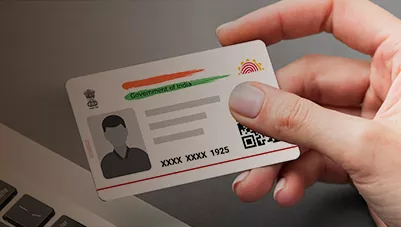
Aadhaar masking is a data protection method that hides part of the Aadhaar number to protect sensitive identity information. Instead of displaying the full 12-digit number, the first eight digits are hidden and only the last four digits remain visible (e.g., XXXX-XXXX-1234).
This allows organizations to verify identity securely while reducing the risk of data misuse.
Explore :Everything You Ever Wanted to Know About Aadhaar Card Masking Solutions.
Importance of Aadhaar Data Privacy
Protecting Aadhaar data is crucial in India’s digital ecosystem because it is directly linked to an individual’s biometric and demographic information. If Aadhaar details are exposed or misused, it can lead to identity fraud, financial risks, and privacy violations.
Organizations that collect Aadhaar documents during digital onboarding must implement strong data protection measures to safeguard this sensitive information.
Maintaining Aadhaar data privacy helps organizations:
- Protect customers from identity theft
- Prevent unauthorized use of personal data
- Build trust in digital onboarding systems
- Strengthen overall cybersecurity practices
- Reduce the risk of data breaches and fraud
Regulatory Compliance Requirements for Aadhaar Usage
Handling Aadhaar data comes with strict regulatory responsibilities. The Unique Identification Authority of India (UIDAI) has introduced guidelines that emphasize secure handling, storage, and display of Aadhaar numbers.
One of the key recommendations from UIDAI is the use of Masked Aadhaar instead of sharing or storing the full Aadhaar number whenever possible.
Organizations must ensure that:
- Aadhaar data is processed securely
- Sensitive information is not unnecessarily stored
- Access to Aadhaar documents is restricted
- Identity data is protected during digital transactions
Non-compliance with these regulations can result in operational risks, legal complications, and reputational damage. Implementing Aadhaar masking solutions helps organizations align with these compliance requirements while protecting customer data.
Risks of Storing Full Aadhaar Numbers
Many organizations still store complete Aadhaar numbers in document databases, which creates significant security risks. If such systems are compromised, the exposed Aadhaar data can potentially be exploited for fraudulent activities.
Some major risks include
- Identity TheftCybercriminals can misuse exposed Aadhaar numbers to impersonate individuals and access services.
- Fraudulent Account Creation Unmasked Aadhaar data may be used to create unauthorized accounts or apply for financial products.
- Data Breach Impact If a database containing full Aadhaar numbers is breached, the consequences can be severe for both customers and organizations.
- Internal Data Misuse Even within organizations, unrestricted access to full Aadhaar numbers increases the risk of insider misuse.
For these reasons, data minimization has become a key security practice. Masking Aadhaar numbers significantly reduces the potential damage in case of data exposure.
Role of Automated Aadhaar Masking in Digital Onboarding
Digital onboarding processes often involve verifying large volumes of identity documents every day. Manually masking Aadhaar numbers in each document is not practical for organizations handling high onboarding volumes.
Automated Aadhaar masking systems streamline this process by instantly identifying and masking Aadhaar numbers in uploaded documents.
A typical automated workflow includes:
- 1.A customer uploads an Aadhaar document during registration.
- 2.The system scans the document using intelligent document processing technology.
- 3.The Aadhaar number is automatically detected.
- 4.The first eight digits are masked before the document is stored or processed.
This automation ensures that sensitive data is protected without slowing down the onboarding process.
Explore :How Masking Solutions Enhance KYC, e-KYC, and Customer Onboarding Processes.
How AI-Powered Aadhaar Masking Solutions Help Organizations Stay Compliant?
Modern Aadhaar masking solutions use artificial intelligence and optical character recognition (OCR) to identify Aadhaar numbers across different document formats.
AI-powered masking systems can:
- Detect Aadhaar numbers in scanned documents and images
- Automatically mask sensitive digits
- Process large volumes of documents in bulk
- Reduce manual errors in document handling
- Maintain compliance with UIDAI data protection guidelines .
By integrating AI-powered Aadhaar masking into digital onboarding workflows, organizations can ensure both operational efficiency and regulatory compliance.
These systems are especially valuable for industries such as banking, fintech, insurance, NBFCs, and telecom providers, where identity verification is a routine part of customer onboarding.
Benefits of Aadhaar Masking for Businesses
Organizations that implement Aadhaar masking solutions gain several advantages, including:
- Stronger protection of sensitive customer data
- Reduced risk of identity fraud and misuse
- Improved regulatory compliance
- Faster digital onboarding processes
- Secure storage of identity documents
- Enhanced customer trust and credibility
As digital services continue to expand across India, businesses that adopt privacy-first technologies will be better positioned to manage risk and scale securely.
Explore the Aadhaar Masking and it Use Cases
Conclusion
As digital onboarding expands across industries, protecting identity data has become essential. The Aadhaar number is one of the most sensitive identifiers in India, making secure handling critical for organizations. Aadhaar masking helps businesses protect personal information, reduce security risks, and meet compliance requirements. In 2026 and beyond, AI-powered masking solutions will continue to support secure and scalable digital onboarding systems.



Top Posts
- What is Aadhaar Masking?
- Importance of Aadhaar Data Privacy
- Regulatory Compliance Requirements for Aadhaar Usage
- Risks of Storing Full Aadhaar Numbers
- Role of Automated Aadhaar Masking in Digital Onboarding
- How AI-Powered Aadhaar Masking Solutions Help Organizations Stay Compliant?
- Benefits of Aadhaar Masking for Businesses
- Conclusion