Aadhaar Masking for Universities and Edtech: Protecting Student Admission Records
Every admission season, universities, colleges, coaching institutes and edtech platforms receive a flood of documents. Mark sheets, transfer certificates, caste and income certificates, passport photos and, almost always, a copy of the student's Aadhaar card. A single large university can collect tens of thousands of Aadhaar copies in a few weeks, and an online learning platform can collect far more over a year.
Most of these copies are stored in full, with the complete 12 digit Aadhaar number and QR code visible to anyone who opens the file. They sit in admission portals, shared drives, email inboxes and scholarship folders for years. This guide explains why aadhaar masking for education has become a priority, where the risks sit in a typical admission workflow, and how institutions and edtech companies can protect student identity without slowing down enrolment.
Why Admissions Teams Collect So Much Aadhaar Data
Aadhaar has become the default identity document in Indian education. It is widely held, easy to verify and accepted by most government schemes. As a result, it shows up at almost every stage of the student journey:
- Admission applications: Students upload Aadhaar as proof of identity and address while applying to colleges, universities and entrance exams.
- Scholarships and fee concessions: State and central scholarship schemes often require Aadhaar linked bank details and identity proof.
- Hostel and campus services: Hostel allotment, library cards, transport passes and campus ID cards frequently ask for an Aadhaar copy.
- Examination and certification: Exam registrations, academic credit records and degree verification rely on accurate student identity.
- Edtech sign ups: Online course providers, test prep apps and skilling platforms collect Aadhaar for learner verification, certification and government linked programmes.
- Parent and guardian records: For minors, institutions also collect Aadhaar copies of parents or guardians, which multiplies the volume.
Each of these touchpoints creates another copy of the same sensitive document, often in a different system managed by a different team.
The Rules That Apply to Student Aadhaar Data
Educational institutions are not exempt from India's data protection rules. Under the Aadhaar Act and UIDAI guidelines, any organisation that holds Aadhaar copies should mask the first eight digits of the Aadhaar number before storing or sharing them, and should not display full Aadhaar numbers publicly. Where a full number truly must be stored, it belongs in a secure Aadhaar Data Vault, not in an admission spreadsheet.
The Digital Personal Data Protection Act raises the stakes further. Universities and edtech companies act as data fiduciaries, which means they must collect only what they need, keep it secure and report breaches. The Act also places extra obligations on organisations that process the personal data of children, including verifiable parental consent and restrictions on tracking and targeted advertising. Since many school students, coaching learners and first year applicants are under 18, edtech platforms and institutions need to treat this data with special care.
At the same time, academic records must be retained for long periods. Admission files, scholarship documents and certificates may be kept for many years after a student graduates. You cannot simply delete everything, so the practical way to reduce risk is to make sure what you keep does not expose full Aadhaar numbers.
Where Unmasked Aadhaar Hides in Admission Workflows
Even institutions with modern admission portals often have unmasked Aadhaar copies spread across several places:
- Raw portal uploads: Students upload phone photos of their card, full e-Aadhaar PDFs or screenshots, even when the portal asks for a masked copy.
- Email and messaging apps: Applicants and parents send documents directly to admission officers when uploads fail or deadlines approach.
- Shared drives and spreadsheets: Departments export application data and attach documents to shared folders for review committees.
- Scholarship and finance files: Fee waiver and scholarship teams keep their own copies for verification and audits.
- Third party partners: Counselling agencies, admission consultants, loan partners and exam vendors often receive full document sets.
- Legacy scanned archives: Years of paper admission files that were digitised before masking was common practice.
Many of these locations sit outside the central student information system, which makes them easy to forget and hard to secure. A single misconfigured folder link or compromised staff email account can expose thousands of students at once.
How Aadhaar Masking for Education Works
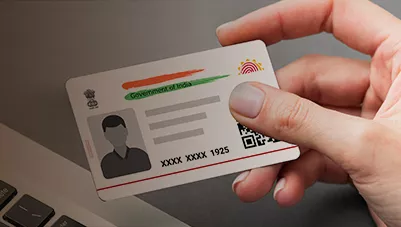
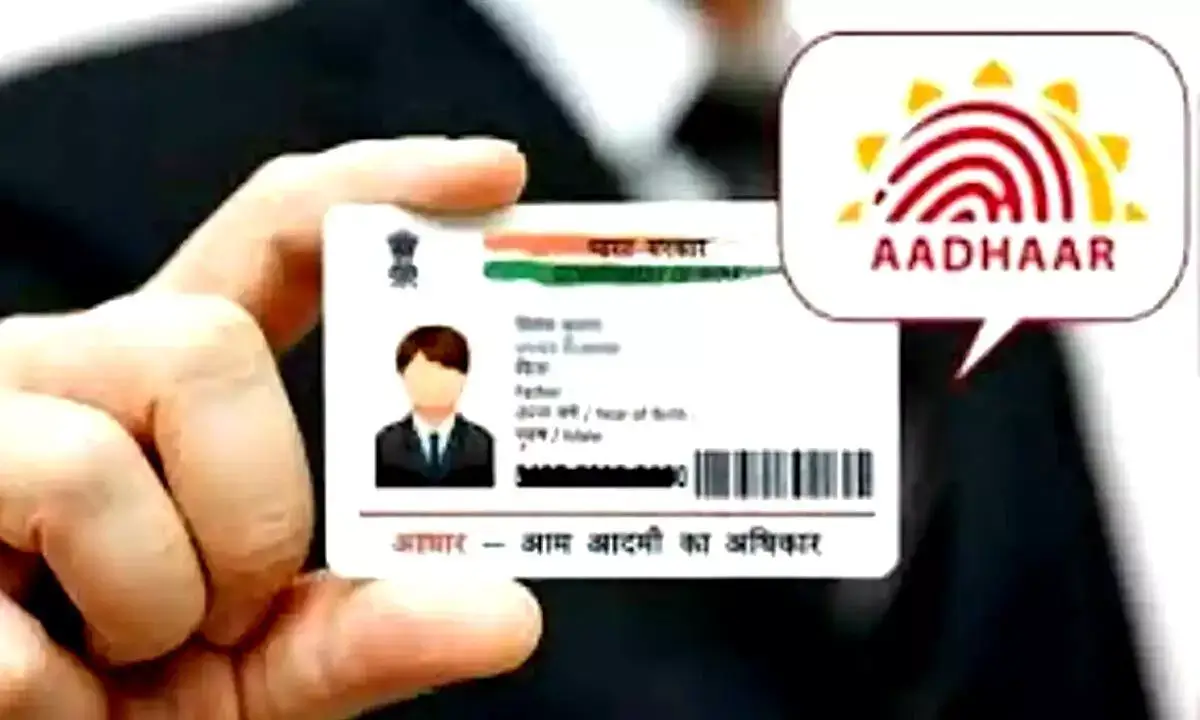
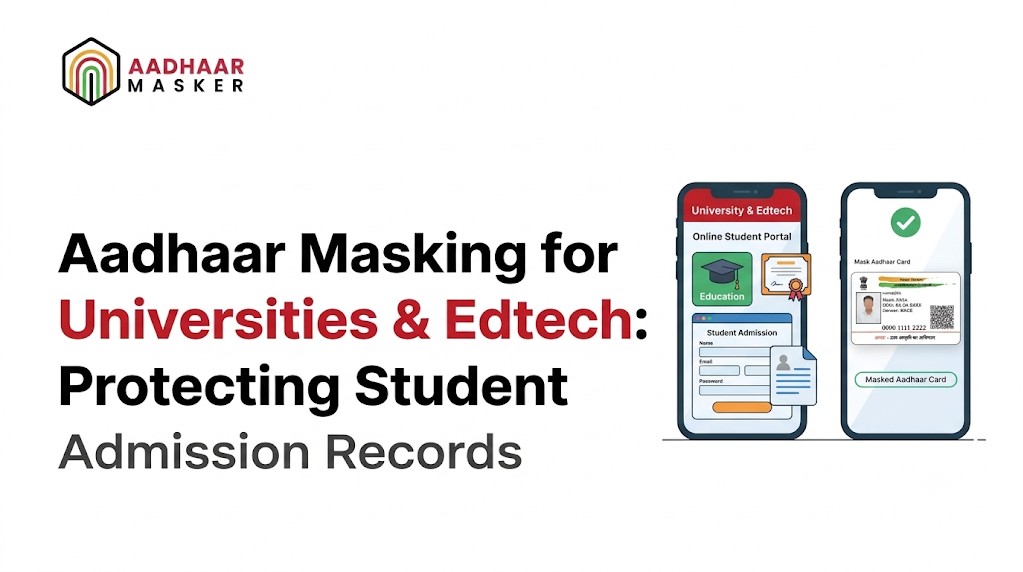
Aadhaar masking hides the first eight digits of the Aadhaar number and the QR code on a document, leaving only the last four digits visible. The masked copy still works as identity proof for record keeping, but it cannot be easily misused for fraud or identity theft. The same principle that makes secure digital onboarding possible for banks and fintechs applies equally well to student enrolment.
An automated masking solution fits into the admission flow like this:
- Student uploads documents. The applicant submits Aadhaar and other certificates through the admission portal or edtech app.
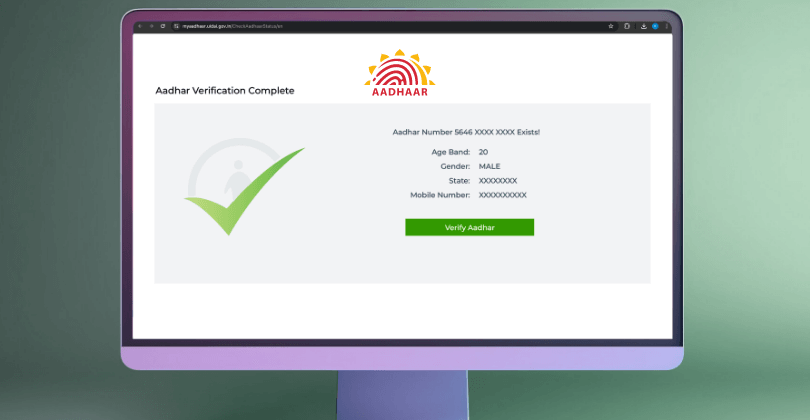
- Verification runs if required. Identity is checked through DigiLocker, an Aadhaar verification API or manual review.
- Masking API is called. Each uploaded file is sent to the masking API, which detects the Aadhaar number and QR code and masks them in seconds.
- Only the masked copy is stored. The masked file is saved in the student record and shared with departments, scholarship teams and partners. The original is discarded.
- Activity is logged. Each masking event is recorded so that compliance teams can show how student data was handled.
Because the process runs in the background, students do not notice any delay. Admission staff simply never see a full Aadhaar number again.
Use Cases Across Universities and Edtech
Universities and colleges: Large institutions process thousands of applications each season across many programmes. Real time masking keeps every new admission file compliant, while bulk masking cleans up years of older records held by departments and affiliated colleges.
Schools and K12 edtech platforms: These organisations handle data of minors and their parents. Masking reduces the impact of any breach and supports the stricter expectations around children's data under the DPDP Act.
Coaching institutes and test prep apps: High volume enrolment, often through sales teams and franchise centres, creates scattered document copies. Masking at the point of upload keeps every channel consistent.
Online degree and skilling platforms: Programmes linked to government schemes or university partnerships require identity proof for certification. Masking lets platforms share documents with partners without exposing full Aadhaar numbers.
Scholarship and financial aid offices: These teams often hold the most sensitive combination of data, including Aadhaar, bank details and family income. Masking Aadhaar copies significantly lowers the value of these files to attackers.
What to Look for in a Masking Solution
Student documents vary widely in quality, so the right solution must handle real world uploads reliably. When evaluating options, look for:
- High detection accuracy: Reliable masking on physical cards, e-Aadhaar PDFs, mAadhaar screenshots, blurry phone photos and rotated scans.
- QR code masking: The QR code carries demographic details and must be masked along with the number.
- Multi page support: The ability to find Aadhaar inside combined application PDFs without manual splitting.
- Real time and bulk modes: Fast APIs for live admissions, plus batch processing for archives and migrations.
- Easy integration: Simple APIs that connect with admission portals, learning management systems and student information systems.
- No retention of originals: The provider should process files without keeping copies of student documents.
- Deployment choice: Cloud or on premise options to match university IT and data residency policies.
- Audit ready logs: Clear records that support internal audits and regulatory requests. Our guide on what to log in an Aadhaar masking audit trail explains this in detail.
Benefits Beyond Compliance
Masking is often seen as a legal requirement, but it also improves how institutions operate:
- Smaller breach impact: If a drive, inbox or database is compromised, masked documents carry far less risk for students.
- Safer collaboration: Faculty committees, hostel offices and external partners can review files without seeing full Aadhaar numbers.
- Faster admission cycles: Automation removes manual masking work during peak season, when staff time is most limited.
- Stronger reputation: Parents and students increasingly ask how their data is protected. A clear masking policy builds trust in your brand.
- Simpler audits: Consistent handling of Aadhaar data across every department makes compliance reviews quicker and easier.
Conclusion
Universities and edtech companies now hold some of the largest collections of Aadhaar documents in the country, and much of it belongs to young people and minors. Long retention periods mean these records cannot simply be deleted, so the most effective step is to make sure every stored copy is masked. Adopting aadhaar masking for education protects students, supports DPDP compliance and keeps admission workflows fast, secure and ready for audit.
Protect Every Student Admission Record Automatically
Our Aadhaar masking platform helps universities, schools and edtech platforms secure student identity from the first upload to long term storage.
- Accurate detection on cards, e-Aadhaar PDFs, mAadhaar screenshots and mobile photos
- Automatic masking of the first eight digits and the QR code
- Real time Aadhaar Masking API that plugs into admission portals and learning platforms
- Bulk processing for admission archives, scholarship files and legacy scans
- Cloud and on premise deployment with no persistent storage of originals
Request a Personalized Demo and see how easily you can make every student record compliant.