Aadhaar Masking for Stock Brokers, Mutual Funds and Wealth Platforms

India's capital markets have grown faster than almost anyone predicted. Tens of millions of new demat accounts have been opened in the last few years, and mutual fund folios, SIP registrations and digital wealth accounts have grown just as quickly. Behind every one of those accounts is a KYC file, and in most of those files is a copy of the investor's Aadhaar card.
That makes stock brokers, asset management companies, registrar and transfer agents, portfolio managers, investment advisers and wealth-tech apps some of the largest holders of Aadhaar documents in the country. Each copy that sits unmasked in a document store, CRM attachment or email inbox is a liability. This guide explains why aadhaar masking for stock brokers and investment platforms has become essential, where the risks sit in a typical onboarding flow, and how an automated aadhar masking solution fits alongside your aadhaar verification api without slowing down account opening.
Why Investment Platforms Collect So Much Aadhaar Data
Every investor who opens a trading account, invests in a mutual fund or signs up with a portfolio manager must complete KYC under SEBI's regulations and the Prevention of Money Laundering Act. Aadhaar is the most common document investors use to prove identity and address, because it is widely held and supports fast digital verification.
Aadhaar data enters investment platforms through several routes:
- Demat and trading account opening: Brokers collect identity and address proof, usually as an Aadhaar upload, a DigiLocker fetch or an Aadhaar-based e-KYC response.
- Mutual fund onboarding: AMCs, distributors and investment apps collect KYC documents when an investor is not already KYC-compliant with a KYC Registration Agency (KRA).
- Portfolio management and advisory: PMS providers, alternative investment funds and registered investment advisers collect KYC packs, often as large PDF bundles.
- Re-KYC and modifications: Address changes, nominee updates and periodic KYC refreshes bring in fresh copies of the same documents.
- Joint holders, nominees and guardians: One account can bring in two or three additional Aadhaar copies.
The result is that a mid-sized broker or wealth platform can easily be storing millions of Aadhaar images, spread across onboarding systems, back-office tools, KRA upload folders and archives.
The Regulatory Picture: Aadhaar Act, UIDAI and DPDP
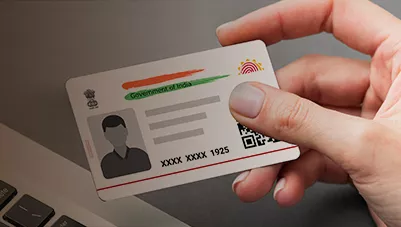
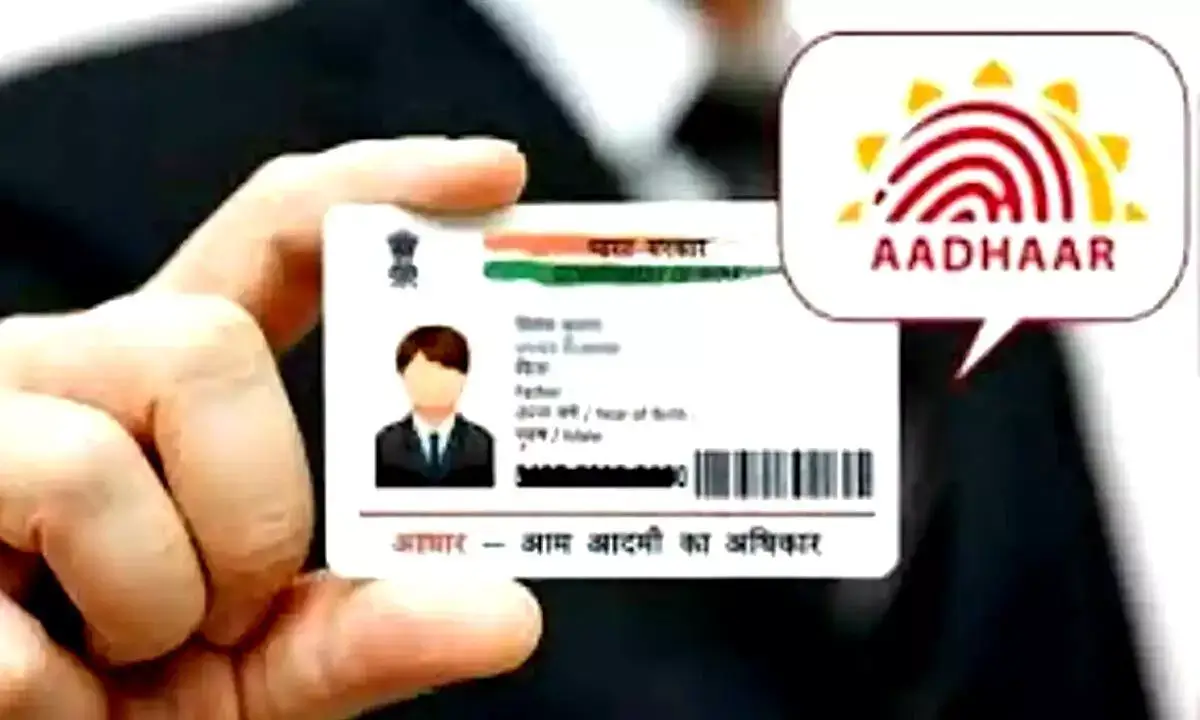
The rules on handling Aadhaar data are clear. Under the Aadhaar Act and UIDAI's regulations, organisations that hold Aadhaar numbers must protect them, and copies of Aadhaar documents that are retained should have the first eight digits of the Aadhaar number masked. UIDAI also requires that full Aadhaar numbers, where they must be stored, are kept in a secure Aadhaar Data Vault rather than spread across business systems.
The Digital Personal Data Protection Act adds another layer. Brokers and fund houses act as data fiduciaries and must collect only what they need, protect it with reasonable security safeguards, and report personal data breaches. A breach involving unmasked Aadhaar cards is one of the worst-case scenarios under this law, because the data is permanent and highly sensitive.
At the same time, SEBI and the KRA framework require intermediaries to keep KYC records for several years after an account is closed. That combination of long retention and high sensitivity is exactly why masking matters so much in this sector. You must keep the documents, so the only practical way to reduce risk is to make sure what you keep cannot be misused.
Where Unmasked Aadhaar Hides in Broking and Wealth Workflows
Most investment platforms already use digital KYC, so it is tempting to assume the problem is solved. In practice, unmasked Aadhaar copies tend to collect in a few predictable places:
- Raw customer uploads: Investors upload photos of their physical card, full e-Aadhaar PDFs or mAadhaar screenshots, even when a masked version is requested.
- Assisted onboarding: Sub-brokers, authorised persons and mutual fund distributors scan and email KYC forms with full Aadhaar copies attached.
- KYC packs and account opening forms: Multi-page PDFs that combine the application form, PAN, Aadhaar, bank proof and signatures.
- Back-office and CRM attachments: Support teams handling address changes or nominee updates save documents directly into ticketing tools.
- Legacy archives: Years of physical KYC files that were scanned before masking was standard practice.
- Data shared with partners: Documents passed to KRAs, depositories, RTAs or outsourced verification teams.
Every one of these locations is a potential breach point, and many of them sit outside the core KYC system where security controls are strongest.
Masking and Verification Work Together
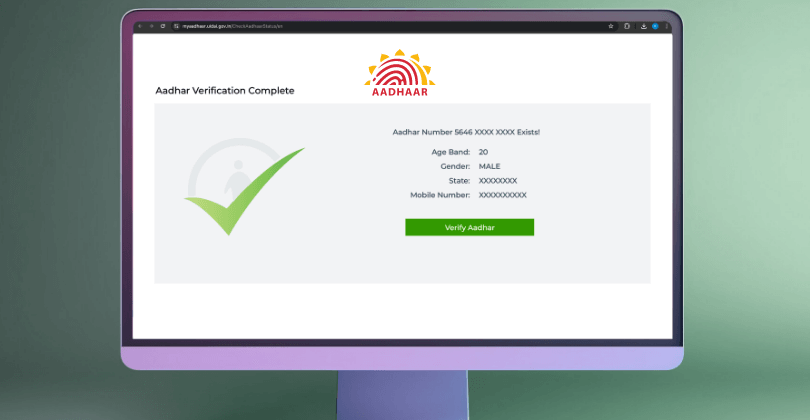
A common misconception is that using an aadhaar verification api removes the need for masking. In reality, the two do different jobs.
| Step | Aadhaar Verification API | Aadhaar Masking Solution |
|---|---|---|
| Purpose | Confirms the investor's identity is genuine | Hides the Aadhaar number on stored documents |
| When it runs | During onboarding or re-KYC | Immediately after upload, before storage |
| Output | Verification result and KYC data | A masked document image or PDF |
| Risk addressed | Identity fraud and fake accounts | Data exposure, leaks and misuse |
Verification tells you the investor is real. Masking makes sure that the evidence you keep cannot be turned against that investor. A compliant onboarding flow needs both. For a broader look at how this applies across digital onboarding, read our guide on Aadhaar masking for digital KYC.
How an Aadhar Masking Solution Fits Into Account Opening
For brokers and wealth platforms, speed of onboarding is a competitive advantage. Investors expect to open an account and place a trade or start an SIP within minutes. A modern aadhar masking solution is designed to run in the background so it does not add friction.
A typical integrated flow looks like this:
- Investor submits KYC. The investor uploads Aadhaar, fetches it through DigiLocker, or completes e-KYC through your Aadhaar verification API.
- Verification runs. Identity is confirmed and the required KYC fields are captured.
- Masking API is called. Every uploaded document, including multi-page KYC packs, is sent to the masking API, which finds the Aadhaar number and QR code and masks them.
- Only the masked copy is stored. The masked image or PDF is saved to your document management system and shared with KRAs or back-office teams. The original is discarded.
- Audit log is recorded. Each masking event is logged so that compliance teams can show which documents were processed and when.
Because masking happens in seconds, the investor never notices it. Your operations team, however, never handles a full Aadhaar number again.
Use Cases Across the Investment Ecosystem
Stock brokers and discount brokers: High-volume digital onboarding means thousands of Aadhaar uploads a day. Real-time masking keeps every account opening file compliant, while bulk masking cleans up older records held by authorised persons and branches.
Asset management companies and RTAs: Fund houses and registrars process KYC documents from investors, distributors and investment apps. Masking at the point of intake ensures that folio records and scanned forms never carry full Aadhaar numbers.
Mutual fund distributors and investment apps: Distributor platforms often act as the first collection point. Masking documents before they are forwarded to AMCs or KRAs reduces exposure across the whole chain.
Portfolio managers, AIFs and family offices: These firms handle detailed client files for high-net-worth investors. Masking protects some of the most valuable identity data in the market and supports strong client confidentiality.
Wealth-tech and robo-advisory platforms: Fast-growing apps need compliance that scales with user growth. An API-based approach lets them add masking without building and maintaining their own detection models.
What to Look for in Aadhaar Masking for Stock Brokers
Not every masking tool is built for the volumes and document variety that capital markets firms handle. When evaluating a solution, look for:
- High detection accuracy: Reliable masking on physical cards, e-Aadhaar PDFs, mAadhaar screenshots, low-light phone photos and rotated scans.
- QR code masking: The QR code contains demographic data and must be masked along with the digits.
- Multi-page document support: The ability to locate Aadhaar inside long KYC packs and account opening forms without manual splitting.
- Real-time and bulk modes: Low-latency APIs for live onboarding, plus batch processing for archives and migrations.
- No retention of originals: The provider should process documents and return results without keeping copies.
- Deployment flexibility: Cloud or on-premise options to meet internal security and data residency policies.
- Audit-ready logs: Records that help you respond to SEBI inspections, internal audits and DPDP requests. See our guide on what to log in an Aadhaar masking audit trail.
Benefits Beyond Compliance
Masking is often treated as a regulatory checkbox, but it brings wider benefits for investment platforms:
- Smaller breach impact: If a document store is compromised, masked copies carry far less value to attackers.
- Safer outsourcing: Back-office, verification and support teams can work with KYC documents without seeing full Aadhaar numbers.
- Faster audits: Compliance teams can demonstrate consistent handling of Aadhaar data across every channel.
- Investor trust: Investors are increasingly aware of data privacy, and platforms that protect their identity documents stand out.
- Lower operational effort: Automation replaces manual masking, which is slow, inconsistent and impossible to scale.
Conclusion
Stock brokers, mutual funds and wealth platforms sit at the centre of India's investment boom, and they hold more Aadhaar documents than ever before. Long KYC retention periods mean these documents cannot simply be deleted, so the most effective way to reduce risk is to make sure every stored copy is masked. Pairing your Aadhaar verification API with an automated masking solution gives you fast, frictionless onboarding and KYC records that are safe, compliant and ready for audit.
Protect Every Investor KYC Document Automatically
Our Aadhaar masking platform helps brokers, fund houses and wealth platforms secure identity data from the first upload to long-term storage.
- Accurate detection on cards, e-Aadhaar PDFs, mAadhaar screenshots and mobile photos
- Automatic masking of the first eight digits and the QR code
- Real-time Aadhaar Masking API that fits right after your verification step
- Bulk processing for KYC archives, branch records and legacy scans
- Cloud and on-premise deployment with no persistent storage of originals
Request a Personalized Demo and see how easily you can make every investor KYC document compliant.