
Aadhaar Masking for Digital KYC: Benefits, Challenges and Use Cases
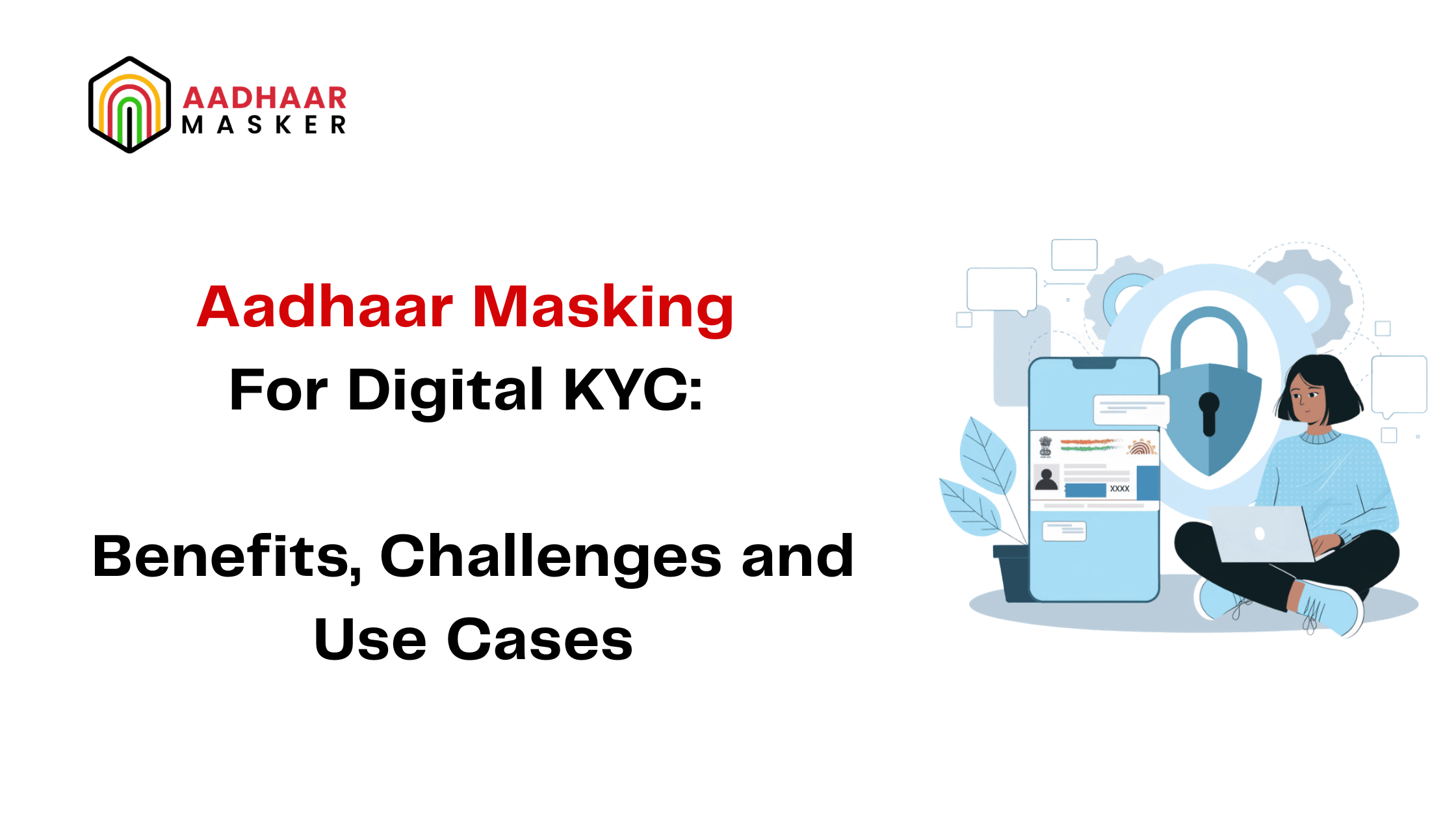
Digital KYC has transformed how businesses verify customer identities. From opening a bank account to applying for a loan or purchasing an insurance policy, customers increasingly expect onboarding processes to be quick, convenient, and completely digital.
However, as organizations collect and process sensitive identity documents online, protecting customer information becomes just as important as verifying it. Aadhaar documents often contain personally identifiable information (PII), making them a critical focus area for privacy and security measures.
This is where Aadhaar masking becomes essential. By concealing sensitive Aadhaar details while preserving the document's verification value, organizations can strengthen privacy protections without disrupting customer onboarding journeys.
In this article, we explore Aadhaar masking for digital KYC through covering its benefits, implementation challenges, and real-world use cases.
What is Aadhaar Masking in Digital KYC?
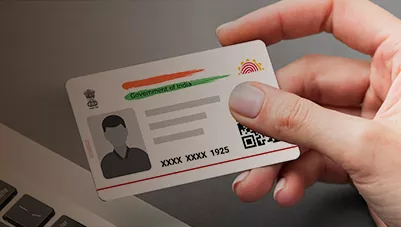
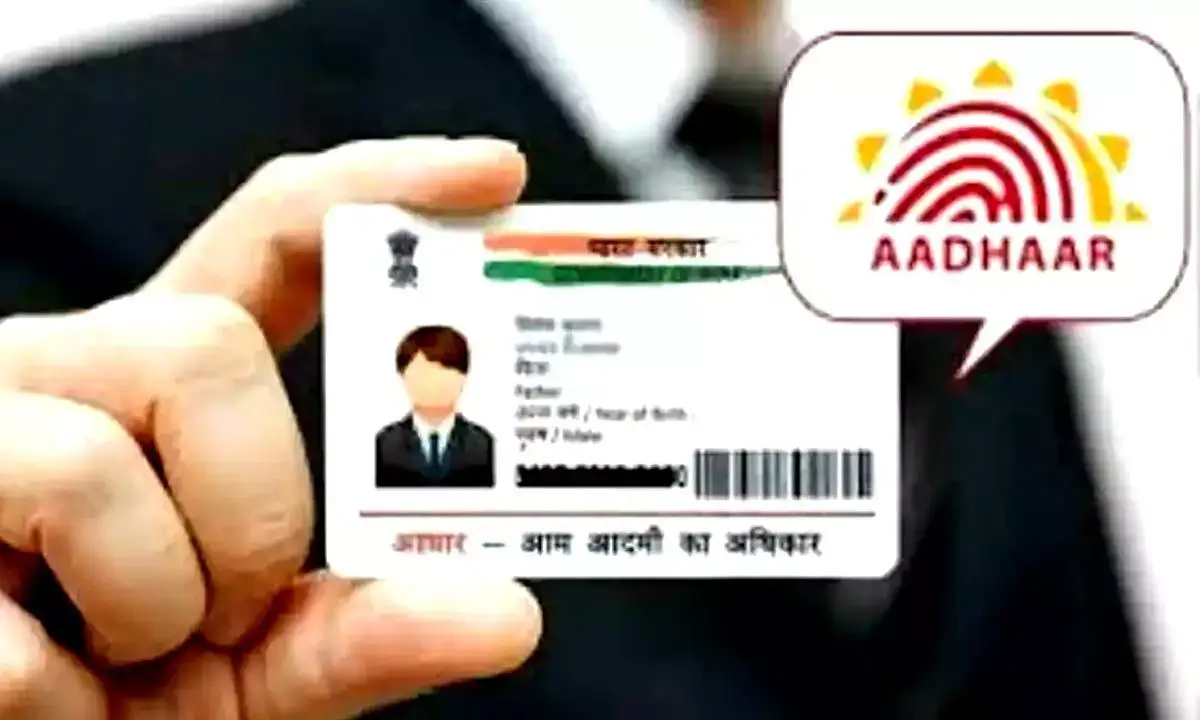
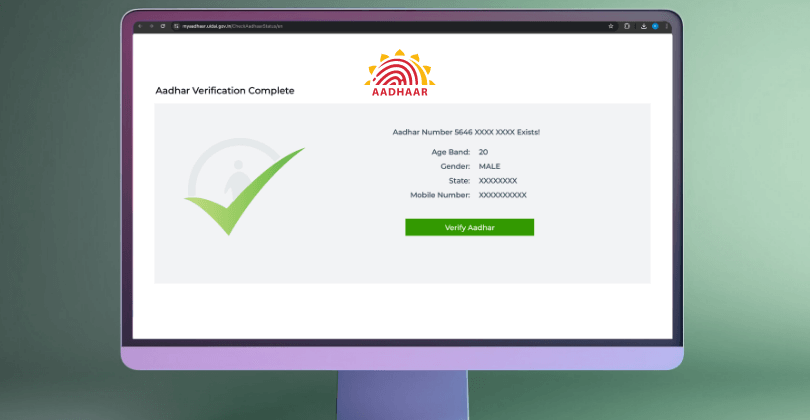
Aadhaar masking is the process of hiding the first eight digits of an Aadhaar number and displaying only the last four digits.
For example:
Original Aadhaar Number: 1234 5678 9012
Masked Aadhaar Number: XXXX XXXX 9012
In digital KYC workflows, masking helps organizations protect sensitive customer information while still allowing teams to verify identities and process applications.
Modern onboarding systems often use AI-powered document processing and OCR technologies to automatically detect Aadhaar numbers and apply masking before documents are stored, shared, or reviewed.
As a result, Aadhaar masking KYC processes have become an important part of secure identity verification strategies across industries.
Why is Aadhaar Masking Important for Digital KYC?
Digital onboarding has dramatically increased the volume of customer documents being uploaded, processed, and stored electronically. While this improves efficiency, it also creates new privacy and security challenges.
Protects Sensitive Customer Information
Aadhaar numbers are among the most sensitive identity details handled during onboarding. Masking reduces the risk of exposing complete Aadhaar numbers to unauthorized users.
Enhances Digital Onboarding Privacy
Customers are becoming more aware of how businesses collect and use personal information. Aadhaar masking supports stronger digital onboarding privacy by limiting unnecessary access to sensitive data.
Reduces Internal Data Exposure
Not every employee involved in onboarding needs access to full Aadhaar details. Masking ensures that teams can perform their tasks without viewing complete identity information.
Supports Regulatory Expectations
Privacy-focused data handling practices are increasingly becoming an important part of compliance programs. Aadhaar masking aligns with responsible information management principles.
Builds Customer Trust
Customers are more likely to trust organizations that demonstrate a commitment to protecting personal information throughout the onboarding journey.
For a comprehensive understanding of Aadhaar masking, including privacy protection, compliance considerations, secure document sharing, implementation strategies, and industry-specific use cases, explore our Complete Guide to Aadhaar Masking in 2026.
Who Benefits from Aadhaar Masking in KYC Processes?
Aadhaar masking is valuable for any organization that collects identity documents during customer onboarding.
Banks
Banks process Aadhaar documents for account opening, loan approvals, credit card applications, and identity verification.
NBFCs
Lending institutions use Aadhaar-based verification for personal loans, vehicle loans, consumer finance, and microfinance services.
Fintech Companies
Digital lending platforms, payment providers, neobanks, and investment applications often rely on fully digital KYC workflows.
Insurance Providers
Insurance companies collect identity documents during policy issuance and claims processing.
KYC Service Providers
Organizations offering OCR, document verification, Video KYC, and onboarding solutions can improve security by integrating automated masking capabilities.
When Should Aadhaar Masking Be Applied During Digital KYC?
One of the most effective privacy strategies is to apply masking as early as possible in the document lifecycle.
At Document Upload
The moment customers upload Aadhaar documents through a website or mobile app, masking should be initiated automatically.
During OCR Processing
When AI extracts customer information from Aadhaar documents, masking can be applied simultaneously to protect sensitive data.
Before Internal Review
Operations, underwriting, customer support, and verification teams should access masked versions whenever full Aadhaar visibility is unnecessary.
Before Third-Party Sharing
If onboarding documents need to be shared with partners or service providers, masked versions help minimize privacy risks.
During Long-Term Storage
Archived documents should also be protected to reduce future exposure risks.
Applying masking at multiple stages helps organizations strengthen security throughout the KYC process.
Where is Aadhaar Masking Used in Digital KYC Workflows?
Aadhaar masking should be integrated across all systems involved in customer onboarding and identity verification.
Customer Onboarding Platforms
Web and mobile onboarding applications can automatically mask Aadhaar information upon upload.
Video KYC Systems
Documents submitted during live verification sessions can be processed and masked in real time.
OCR and Document Processing Platforms
Automated document extraction solutions can identify and mask Aadhaar numbers without manual intervention.
Loan Origination Systems
Financial institutions can ensure that Aadhaar information remains protected throughout lending workflows.
Customer Relationship Management Systems
CRM platforms storing customer documents should maintain masked copies to reduce unnecessary exposure.
Embedding masking throughout the ecosystem strengthens overall onboarding security and privacy.
To understand how OCR technology automatically extracts Aadhaar data, identifies sensitive information, and enables secure document processing at scale, read OCR + Aadhaar Masking: Automating Secure Document Processing.
How Does Aadhaar Masking Improve KYC Compliance?
Organizations often view Aadhaar masking as a privacy feature, but it also contributes to stronger operational controls and compliance readiness.
1. Minimizes Data Exposure
Masking limits access to sensitive information while still allowing business operations to continue efficiently.
2. Supports Privacy-by-Design Principles
Privacy protection becomes part of the onboarding process rather than an afterthought.
3. Improves Access Control
Organizations can provide employees with only the information necessary to perform their roles.
4. Strengthens Document Security
Masking complements encryption, authentication, monitoring, and audit logging strategies.
5. Enhances KYC Compliance Programs
Financial institutions increasingly focus on secure handling of customer information. Aadhaar masking helps organizations strengthen their overall KYC compliance posture.
Common Challenges of Aadhaar Masking in Digital KYC
While Aadhaar masking offers significant advantages, implementation can present certain challenges.
Challenge 1: High Document Volumes
Large institutions process thousands of onboarding documents daily.
Solution:Deploy automated AI-powered masking systems capable of handling bulk document processing.
Challenge 2: Diverse Document Formats
Customers submit Aadhaar documents as images, PDFs, scans, and mobile screenshots.
Solution: Use OCR technologies designed to process multiple document formats accurately.
Challenge 3: Legacy Infrastructure
Older onboarding systems may not support automated masking.
Solution: Integrate masking APIs or intelligent document processing solutions into existing workflow
Challenge 4: Maintaining Customer Experience
Organizations need strong security without creating onboarding friction.
Solution: Implement masking automatically in the background so customers experience a seamless onboarding journey.
Real-World Use Cases of Aadhaar Masking in Digital KYC
Digital Account Opening
Banks can automatically mask Aadhaar numbers after document submission while maintaining smooth verification processes.
Loan Applications
NBFCs and fintech lenders can protect customer data throughout underwriting and approval workflows.
Video KYC Verification
Aadhaar documents captured during live verification sessions can be masked before storage and review.
Insurance Policy Issuance
Insurance providers can secure customer documents while processing policy applications.
Insurance Policy Issuance
Online investment services can use Aadhaar masking to improve privacy controls during account creation and verification.
Conclusion
Digital KYC has made customer onboarding faster and more convenient than ever before. However, the growing volume of sensitive identity data being processed online makes privacy protection a business necessity.
Aadhaar masking helps organizations reduce data exposure, improve security controls, and strengthen customer trust without disrupting onboarding efficiency. By integrating masking into document upload, OCR processing, verification workflows, and long-term storage systems, businesses can create safer digital experiences for their customers.
For organizations focused on Aadhaar masking KYC, enhancing digital onboarding privacy, and improving KYC compliance, Aadhaar masking is no longer an optional feature—it is becoming a fundamental component of responsible digital identity verification.
Make Digital KYC More Secure, Faster, and Privacy-First
As customer onboarding volumes continue to grow, protecting Aadhaar data is no longer optional. Automate Aadhaar masking across your KYC workflows to reduce data exposure, strengthen privacy controls, improve compliance readiness, and deliver a seamless onboarding experience without adding manual effort.
Ready to secure Aadhaar documents at every stage of the customer journey? Book a demo today and discover how AI-powered Aadhaar masking can transform your digital KYC process.


Top Posts
- What is Aadhaar Masking in Digital KYC?
- Why is Aadhaar Masking Important for Digital KYC?
- Who Benefits from Aadhaar Masking in KYC Processes?
- When Should Aadhaar Masking Be Applied During Digital KYC?
- Where is Aadhaar Masking Used in Digital KYC Workflows?
- How Does Aadhaar Masking Improve KYC Compliance?
- Common Challenges of Aadhaar Masking in Digital KYC
- Real-World Use Cases of Aadhaar Masking in Digital KYC
- Conclusion