
Why Manual Aadhaar Redaction Is No Longer Safe for Enterprise Document Processing
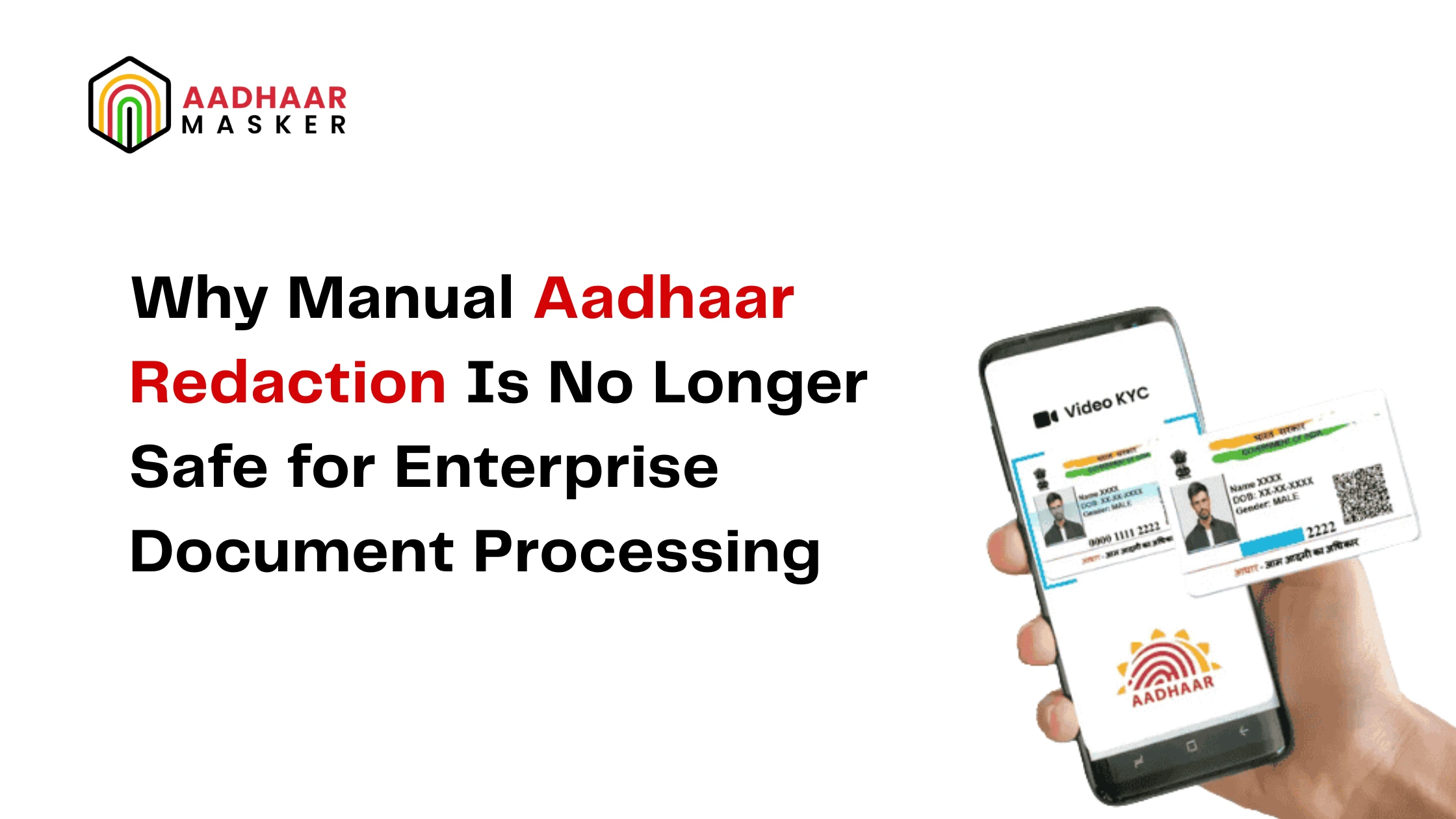
Aadhaar documents are widely used across enterprise workflows, but manual redaction becomes unreliable at scale, increasing the risk of errors and data exposure. AI Aadhaar masking and automatic Aadhaar redaction provide a faster and more consistent solution through specialized Aadhaar masking software.
This blog explores the risks of manual redaction, how AI masking works and what organizations should consider when implementing UIDAI-aligned Aadhaar masking.
What Is Manual Aadhaar Redaction?
Manual Aadhaar redaction is the process of using human effort or basic editing tools to hide the Aadhaar number or other sensitive information on a document. A typical process involves opening the document, locating the Aadhaar number, selecting the relevant digits, covering or deleting the first eight digits, saving a new copy, reviewing the output and then sharing or storing the redacted document.
For a small number of documents, this may appear manageable. However, enterprises often process thousands or millions of documents across multiple branches, departments, applications and third-party workflows. At that scale, manual redaction becomes difficult to control.
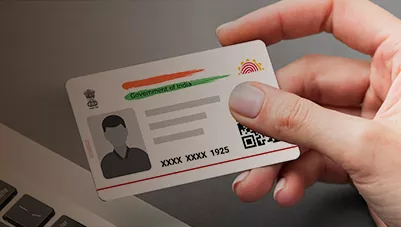
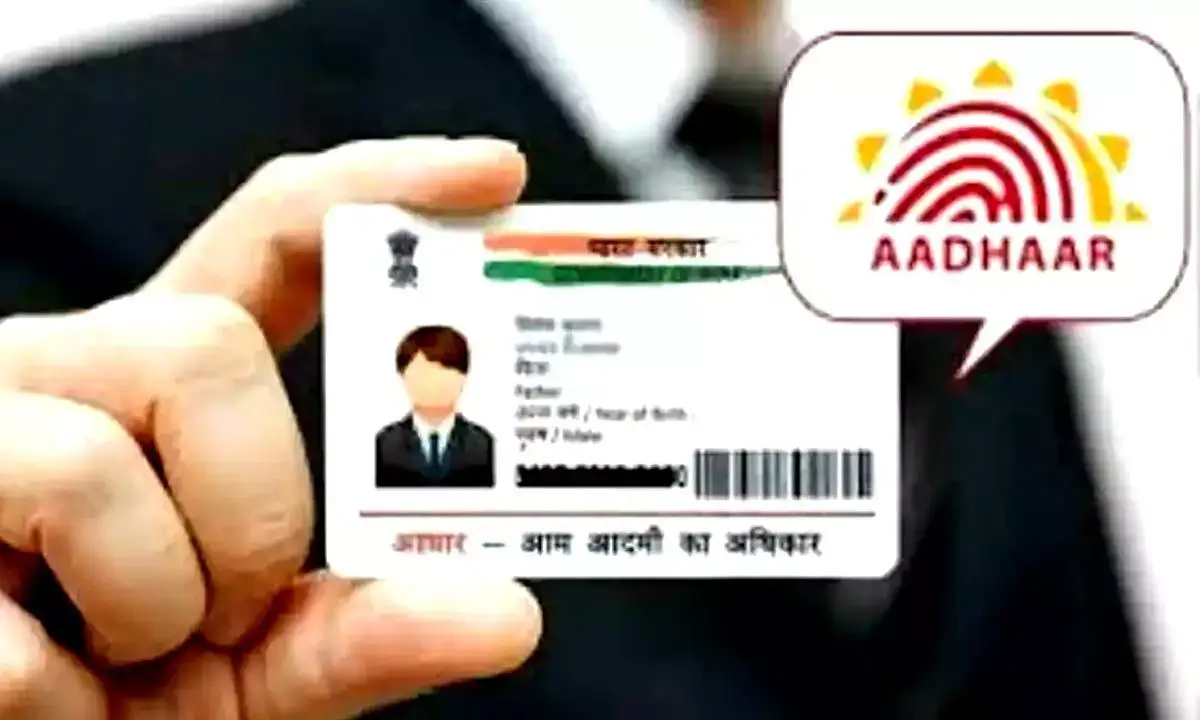
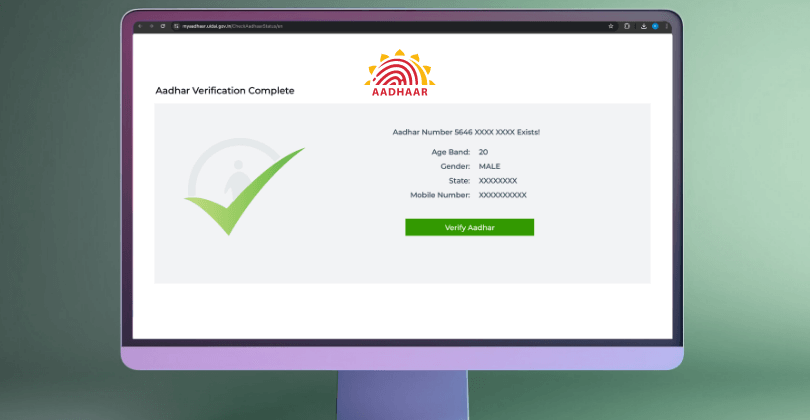
UIDAI defines a Masked Aadhaar as one where the first eight digits of the Aadhaar number are replaced with “xxxx-xxxx,” leaving only the last four digits visible.
This is a natural point to link to The Complete Enterprise Guide to Aadhaar Masking: Implementation, Security, AI and Compliance (2026) because the reader is learning the fundamentals of Aadhaar masking.
Why Is Manual Aadhaar Redaction No Longer Safe?
Manual redaction creates a gap between an organization's privacy policy and its day-to-day execution. An enterprise may have a policy requiring Aadhaar information to be masked before documents are stored or shared, but when the process depends entirely on employees manually identifying and redacting every document, the actual outcome can vary significantly.
1. Human Error Makes Manual Redaction Unreliable
The biggest weakness of manual redaction is its dependence on human accuracy. An employee may mask the wrong digits, miss the Aadhaar number entirely, redact only part of the number, save the unmasked original by mistake, upload the wrong version, or forget to remove the original file.
These mistakes can occur because of high workloads, repetitive tasks, time pressure, poor-quality scans, different document formats and inconsistent employee training. Even highly trained employees can make mistakes when performing repetitive document-processing tasks at scale.
Automatic Aadhaar redaction reduces this dependency by using software to identify and mask relevant information consistently.
2. Manual Redaction Does Not Scale with Enterprise Volume
An organization processing 100 Aadhaar documents per day may be able to manage manual redaction temporarily. However, the process becomes significantly more difficult when the organization handles 10,000 documents per month, operates across multiple branches, or processes documents through several customer onboarding channels.
As volumes increase, organizations may need to hire more employees, create additional review teams, implement quality checks, manage training and monitor performance. This increases operational costs and processing time.
Aadhaar masking software can automate the masking workflow and process large volumes more consistently.
3. Manual Processing Creates Inconsistent Results
Different employees may interpret the same redaction task differently. One employee may mask only the Aadhaar number, while another may also cover a QR code. A third employee may save the document in a different format, while another may retain the original document unnecessarily.
This can create inconsistencies across branches, departments, business units, outsourced teams and customer service channels.
A standardized AI Aadhaar masking workflow can apply configured rules consistently across documents, improving process governance and reducing variations caused by individual decisions.
4. Poor-Quality Documents Make Manual Redaction More Difficult
Enterprise documents are not always clean digital PDFs. Organizations may receive scanned copies, mobile camera images, photocopies, blurred documents, rotated documents, low-resolution images, or documents affected by shadows and glare.
A human may struggle to identify sensitive information in such documents. Modern AI Aadhaar masking solutions can use OCR, computer vision, document classification and image analysis to identify relevant content across real-world document environments.
How Does AI Aadhaar Masking Work?
AI Aadhaar masking automates the identification and masking process using technologies such as Optical Character Recognition (OCR), computer vision, machine learning, document classification, pattern recognition and image processing.
A typical workflow begins by determining whether the uploaded document is an Aadhaar document. The system then analyzes the document's text, layout, numbers and relevant regions before identifying the Aadhaar number using document intelligence and pattern recognition.
Once the Aadhaar number is detected, automatic Aadhaar redaction applies the required masking rules. The system then generates a masked copy for authorized processing, storage, or sharing.
This is the best place to link to Aadhaar Masking for Digital Document Archiving: Protecting Sensitive Records for the Long Term because the section discusses storing and managing masked documents securely over time.
The masked output can then be integrated with KYC systems, document management platforms, loan processing systems, customer onboarding applications and enterprise repositories. This creates a more standardized and automated privacy workflow.
What Are the Benefits of Automatic Aadhaar Redaction?
Improved Consistency
Automation applies the same configured rules to every document, reducing variations caused by individual employee decisions and helping organizations standardize their document privacy processes.
Faster Document Processing
Manual redaction adds an additional step to document operations. Automated masking can become part of an existing workflow, reducing delays in customer onboarding, KYC processing, loan applications, insurance operations and employee verification.
Reduced Human Exposure
The fewer people who manually handle complete Aadhaar documents, the lower the risk of unnecessary exposure. Automated processing can reduce the number of manual touchpoints involved in document handling.
Better Scalability
Automated systems can process large document volumes more efficiently than manual teams. This is particularly useful for enterprises with multiple branches, high-volume onboarding, seasonal processing spikes, or digital-first workflows.
Easier Standardization
A centralized masking workflow can help enterprises apply consistent privacy policies across different teams, departments, applications and systems.
Is Manual Aadhaar Redaction Ever Appropriate?
Manual redaction may still be suitable for very low document volumes, exceptional cases, documents requiring human review, or temporary workflows. However, manual processing becomes increasingly difficult to manage when organizations handle large volumes or operate across multiple systems.
The key issue is not whether humans should be removed from the process completely. Instead, enterprises can use a human-in-the-loop model in which automation handles standard documents while employees review exceptions and uncertain cases.
How Should Enterprises Choose Aadhaar Masking Software?
Before selecting Aadhaar masking software, enterprises should evaluate more than the masking feature alone.
Accuracy
Organizations should determine whether the software can identify Aadhaar documents across different formats and image qualities.
Automation
The solution should be able to process documents without requiring manual intervention for every file.
Integration
Enterprises should evaluate whether the software supports APIs, SDKs, KYC platforms, document management systems and existing enterprise applications.
Security
Important security considerations include encryption, access control, data retention, audit logging and secure transmission.
Scalability
The solution should be capable of handling both current and future document volumes.
While automation can significantly improve Aadhaar document processing, poor implementation can create new operational challenges. Learn about the Top 10 Mistakes Organizations Make When Implementing Aadhaar Masking to avoid common implementation errors and improve your masking strategy.
Deployment Options
Depending on the organization's requirements, the solution may need to support cloud deployment, on-premise deployment, private cloud environments, or hybrid architectures.
Exception Handling
No automated system should be evaluated only on its best-case performance. Enterprises should understand how the platform handles low-quality documents, unclear images, unsupported formats, incorrect classifications and processing failures.
The Future of Aadhaar Redaction Is Automated
As enterprises continue to digitize KYC, onboarding, lending, insurance and employee workflows, the volume of identity documents will continue to increase.
These documents are increasingly generated digitally, uploaded through mobile applications, processed through APIs, stored in cloud systems, shared across departments and integrated with third-party platforms.
The future of Aadhaar protection will therefore increasingly depend on automated, intelligent and integrated workflows rather than repetitive manual redaction.
Conclusion
Manual Aadhaar redaction may be suitable for occasional document processing, but it becomes increasingly difficult to manage as enterprise volumes grow. Human error, inconsistent masking, processing delays and accidental exposure can create significant privacy and operational risks.
By adopting AI Aadhaar masking, automatic Aadhaar redaction and reliable Aadhaar masking software, enterprises can automate document protection, improve consistency, reduce manual effort and support scalable processing. When combined with applicable UIDAI-aligned controls and strong data security practices, automated Aadhaar masking can help organizations build more secure and efficient document-processing workflows.
Move Beyond Manual Aadhaar Redaction
Protect sensitive Aadhaar information with AI-powered Aadhaar masking software designed to automate document redaction, reduce human error and support secure enterprise workflows.


Top Posts
- What Is Manual Aadhaar Redaction?
- Why Is Manual Aadhaar Redaction No Longer Safe?
- How Does AI Aadhaar Masking Work?
- What Are the Benefits of Automatic Aadhaar Redaction?
- Is Manual Aadhaar Redaction Ever Appropriate?
- How Should Enterprises Choose Aadhaar Masking Software?
- The Future of Aadhaar Redaction Is Automated
- Conclusion