
Is Masked Aadhaar Valid? Where Can You Use It Legally?
Every day, millions of Indians share Aadhaar documents for banking, KYC verification, telecom onboarding, insurance applications, employment verification, and digital service registrations. While Aadhaar has become one of India's most trusted identity documents, sharing the complete 12 digit Aadhaar number can expose individuals to unnecessary privacy and security risks.
To address this challenge, the Unique Identification Authority of India (UIDAI) introduced Masked Aadhaar, a privacy focused version of Aadhaar that conceals the first eight digits of the Aadhaar number while displaying only the last four digits.
The objective is simple: enable identity verification without revealing more personal information than necessary.
As privacy regulations evolve and organizations increasingly adopt privacy by design practices, understanding the masked Aadhaar legal validity has become important for both individuals and businesses.
In this guide, you'll learn:
- *What Masked Aadhaar is
- *Why UIDAI introduced it
- *Who can use Masked Aadhaar
- *Where Masked Aadhaar is legally accepted
- *When a full Aadhaar number may still be required
- *How Aadhaar masking improves privacy, security, and compliance
- *How businesses can automate Aadhaar masking for large scale onboarding
What Is Masked Aadhaar?
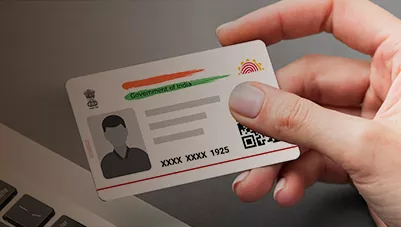
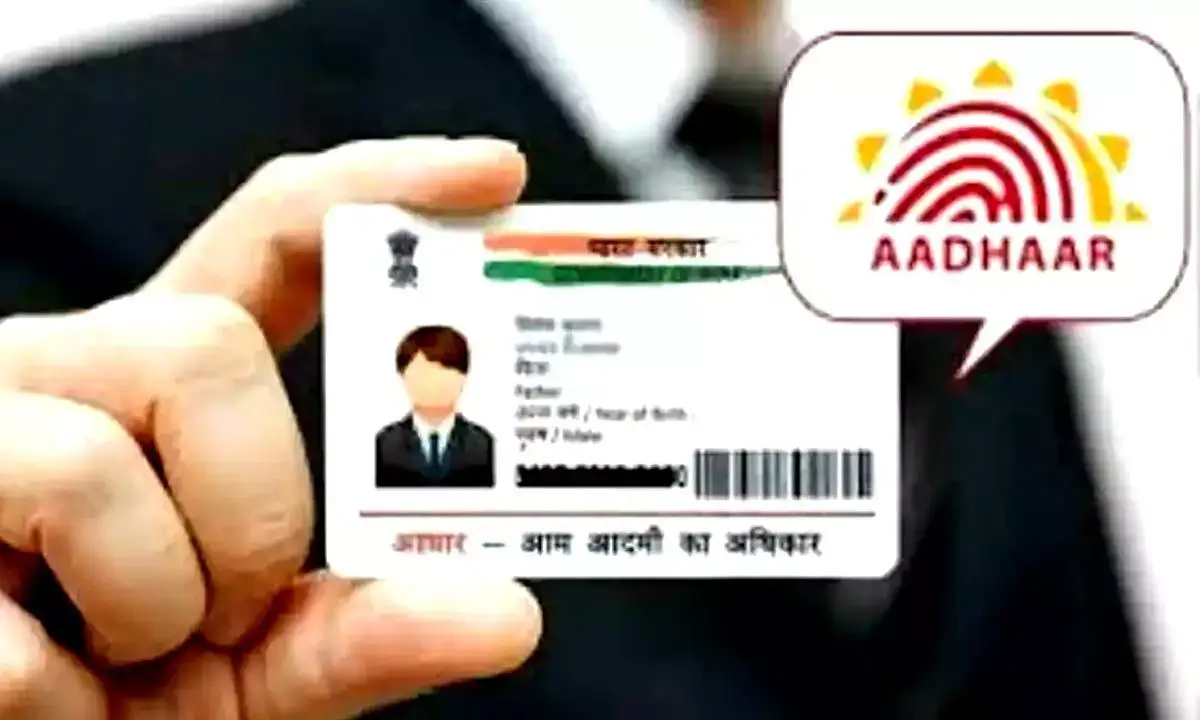
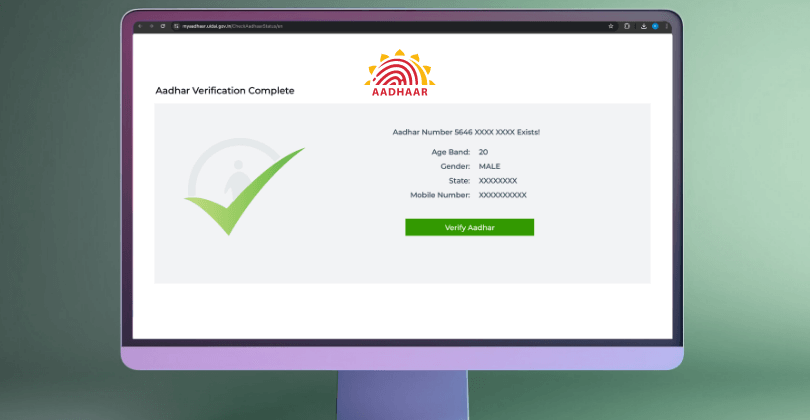
Masked Aadhaar is a digitally generated Aadhaar document issued by UIDAI that hides the first eight digits of the Aadhaar number and displays only the last four digits.
Example of Masked Aadhaar
Regular Aadhaar
1234 5678 9012
Masked Aadhaar Number
XXXX XXXX 9012
The document still contains:
- *Name
- *Photograph
- *Gender
- *Address
- *Secure QR Code
- *Aadhaar verification information
Because the document is generated directly by UIDAI, its authenticity remains intact.
Why Is Masked Aadhaar Important?
In many verification scenarios, organizations only need to confirm a person's identity rather than access their complete Aadhaar number.
Masked Aadhaar helps achieve this while reducing exposure of personally identifiable information (PII).
Why Did UIDAI Introduce Masked Aadhaar?
UIDAI introduced Masked Aadhaar to encourage safer sharing of identity documents and reduce the risk of Aadhaar misuse.
As Aadhaar adoption expanded across:
- *Banking
- *Fintech
- *Insurance
- *Telecom
- *Healthcare
- *Government services
- *Digital onboarding platforms
there was an increasing need to protect sensitive identity information.
Masked Aadhaar supports:
- *Aadhaar privacy protection
- *Identity theft prevention
- *Data minimization
- *Secure customer onboarding
- *Safer document sharing
For organizations, accepting Masked Aadhaar can also support stronger privacy controls and compliance practices.
Is Masked Aadhaar Legally Valid?
Yes.
The answer to "is Masked Aadhaar valid?" is straightforward.
Since Masked Aadhaar is generated by UIDAI itself, it is an authentic Aadhaar document and can be used for many identity verification purposes.
The masked Aadhaar legal validity is based on the fact that the document originates from the same source as a regular Aadhaar and contains the essential information required for identity verification.
However, acceptance depends on the specific Aadhaar verification requirements of the organization requesting the document.
Key Takeaway
Masked Aadhaar is generally valid for identity verification.
Masked Aadhaar may not always be sufficient for Aadhaar authentication.
Understanding this distinction is important.
Where Can You Legally Use Masked Aadhaar?
1. Customer Onboarding and KYC Verification
Many businesses require only proof of identity during onboarding.
Examples include:
- *Banking account opening
- *Fintech onboarding
- *Insurance applications
- *Digital service registrations
- *Vendor onboarding
Where Aadhaar authentication is not required, Masked Aadhaar can often satisfy identity verification requirements.
To understand how Aadhaar masking supports secure digital onboarding, customer verification, and privacy-first identity checks, read Aadhaar Masking for Digital KYC: Benefits, Challenges and Use Cases
2. Hotels and Accommodation Services
Hotels, guest houses, co living spaces, and rental providers generally require identity proof rather than Aadhaar authentication.
In these situations, Masked Aadhaar can help users protect their privacy while verifying their identity.
3. Employee and Contractor Verification
Organizations frequently collect identity documents during:
- *Recruitment
- *Employee onboarding
- *Contractor verification
- *Vendor registration
Using Masked Aadhaar helps reduce exposure of sensitive employee information.
4. Insurance and Financial Services
Insurance companies, brokers, and financial institutions often collect identity documents during customer onboarding.
For many low risk verification scenarios, Masked Aadhaar can support privacy conscious onboarding processes.
To gain deeper insights into Aadhaar masking, privacy protection, compliance requirements, and secure document handling practices, explore our Complete Guide to Aadhaar Masking in 2026.
When Might Masked Aadhaar Not Be Accepted?
Although Masked Aadhaar is valid, certain workflows require access to the complete Aadhaar number.
Aadhaar eKYC
Services involving:
- Aadhaar eKYC
- OTP based Aadhaar verification
- UIDAI authentication APIs
- Biometric verification
typically require the complete Aadhaar number.
Government Schemes and Subsidies
Programs involving:
- Direct Benefit Transfer (DBT)
- Welfare schemes
- Subsidy programs
- Pension services
may require Aadhaar-based authentication.
Aadhaar Seeding and Linking
Some processes require the complete Aadhaar number, including:
- Bank account linking
- Government database linking
- Welfare scheme enrollment
This is why organizations must evaluate their specific Aadhaar verification requirements before accepting Masked Aadhaar.
How Does Aadhaar Masking Improve Privacy and Compliance?
Improved Privacy Protection
Masked Aadhaar helps:
- Protect Aadhaar data
- Reduce unauthorized access
- Minimize identity theft risks
- Limit unnecessary data exposure
Better Compliance
Organizations handling customer documents must demonstrate responsible data management practices.
Aadhaar masking supports:
- Data minimization
- Privacy-by-design initiatives
- Information security controls
- Audit readiness
Enhanced Customer Trust
Customers are increasingly concerned about how organizations collect and store personal information.
Using Aadhaar masking demonstrates a commitment to privacy and security.
How Businesses Automate Aadhaar Masking?
Manual Aadhaar masking can be:
- Time-consuming
- Error-prone
- Difficult to scale
Modern AI-powered Aadhaar masking solutions automatically:
- Detect Aadhaar numbers
- Identify Aadhaar documents
- Mask sensitive digits
- Process PDFs and images
- Support batch processing
- Maintain audit trails
For banks, NBFCs, fintech companies, insurers, and telecom providers, automation significantly improves efficiency while reducing compliance risks.
Frequently Asked Questions
Is Masked Aadhaar valid for KYC?
Yes. Masked Aadhaar is a valid UIDAI-issued document and can often be used for identity verification and customer onboarding, depending on the organization's requirements.
Is Masked Aadhaar legally valid for banks?
Many banks may accept Masked Aadhaar for identity verification. However, services involving Aadhaar authentication or eKYC may require the complete Aadhaar number.
Can employers accept Masked Aadhaar?
Yes. Many organizations use Masked Aadhaar during employee onboarding and verification processes.
Is Masked Aadhaar safer than a regular Aadhaar copy?
Yes. Since the first eight digits are hidden, Masked Aadhaar reduces unnecessary exposure of sensitive Aadhaar information.
Does Masked Aadhaar contain a QR code?
Yes. The secure QR code remains available and can be used to verify the authenticity of the document.
Conclusion
So, is Masked Aadhaar valid?
Yes. The masked Aadhaar legal validity is well established because it is an official document issued by UIDAI. It enables individuals to verify their identity while protecting sensitive Aadhaar information.
For many onboarding, verification, and document-sharing scenarios, Masked Aadhaar provides a privacy-friendly alternative to sharing a full Aadhaar copy. However, organizations must evaluate their specific Aadhaar verification requirements, as certain authentication-based services may still require access to the complete Aadhaar number.
As businesses continue to prioritize privacy, security, and compliance, Aadhaar masking is becoming an essential component of modern digital onboarding and identity verification workflows.
Protect Aadhaar Data While Simplifying Identity Verification
As customer onboarding becomes increasingly digital, protecting sensitive Aadhaar information is no longer optional. Automated Aadhaar masking helps organizations reduce data exposure, strengthen privacy controls, and support secure verification workflows without compromising efficiency.
Discover how AI-powered Aadhaar masking can help your business improve compliance, enhance customer trust, and streamline large-scale onboarding processes. Schedule a demo today
Top Posts
- What Is Masked Aadhaar?
- Why Is Masked Aadhaar Important?
- Why Did UIDAI Introduce Masked Aadhaar?
- Is Masked Aadhaar Legally Valid?
- When Should Aadhaar Masking Be Used?
- How Does Aadhaar Masking Improve Privacy and Compliance?
- How Businesses Automate Aadhaar Masking?
- Frequently Asked Questions
- Conclusion
- Protect Aadhaar Data While Simplifying Identity Verification