How Aadhaar Masking Helps Companies Stay Compliant ?: A Practical Guide

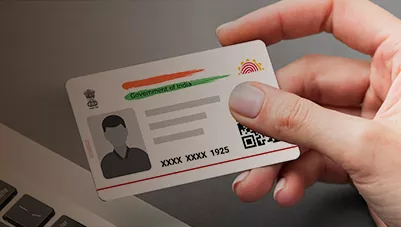
Aadhaar masking is the practice of concealing the first eight digits of an Aadhaar number while retaining only the last four for reference. As Aadhaar continues to be widely used for identity verification across banking, fintech, telecom, insurance, and other regulated industries, protecting this sensitive data has become a regulatory and ethical necessity.
Aadhaar masking plays a critical role in ensuring data privacy, regulatory compliance, and customer trust, helping organizations meet legal obligations without disrupting operational workflows.
Understanding Compliance Requirements
Companies handling Aadhaar data must comply with several regulatory frameworks. Key requirements include:
- Aadhaar Act, 2016: Governs the collection, usage, and protection of Aadhaar data.
- UIDAI Guidelines: Mandate Aadhaar masking, secure storage, and controlled sharing of Aadhaar information.
- *Sector-Specific Regulations:
- Minimal Data Collection:Organizations should collect only what is strictly necessary for verification.
- Secure Storage:Aadhaar data must be encrypted and protected against unauthorized access.
- Restricted Access: Access should be limited to authorized personnel and systems only.
- Risk of Non-Compliance:Failure to comply may result in regulatory penalties, audits, legal action, and reputational damage.
*RBI for banks and NBFCs
*IRDAI for insurance providers
*SEBI for capital market intermediaries
Adopting a privacy-by-design approach is essential to ensure Aadhaar data is processed securely and in line with regulatory expectations.
For more information about aadhaar masking compliance.
Read our related blog: Regulatory Compliance Checklist for Aadhaar and Data Masking Across Industries
Role of Aadhaar Masking
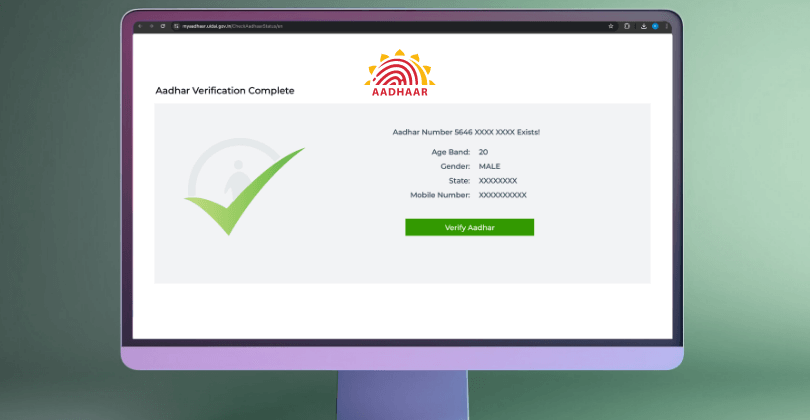
Aadhaar masking ensures that sensitive identity data is never exposed in full during storage, internal sharing, or verification workflows. Using OCR- and AI-based technologies, masking solutions automatically detect Aadhaar numbers in documents and apply real-time redaction. This prevents unauthorized access, reduces human error, and ensures that Aadhaar data is processed in alignment with UIDAI-prescribed privacy standards.
For more info about aadhaar masking and aadhaar masking solution,Read our related blog Everything You Ever Wanted to Know About Aadhaar Card Masking Solutions.
Benefits of Aadhaar Masking for Compliance
Risk Mitigation Against Data Breaches
Masking significantly reduces the impact of data leaks by ensuring that full Aadhaar numbers are never accessible.
Enhanced Customer Trust
Customers are more confident sharing documents when organizations demonstrate strong data protection practices.
Avoidance of Legal Penalties
Proper masking helps businesses stay compliant with regulatory mandates, reducing the risk of fines, operational restrictions, or license suspension.
Practical Steps for Implementation
To implement Aadhaar masking effectively, organizations should:
- * Adopt automated, OCR-based masking solutions instead of manual processes
- *Integrate masking directly into KYC and onboarding workflows
- *Train staff on secure data handling and compliance best practices
- *Maintain audit logs and conduct periodic compliance reviews
- *Choose solutions that are scalable and aligned with evolving regulations
To support these implementation steps, PixDynamics offers a robust Aadhaar Masking Solution designed specifically for high-volume, compliance-driven environments.
PixDynamics aadhaar masking solution uses advanced OCR technology to automatically detect Aadhaar numbers across PDFs, images, and scanned documents and mask sensitive digits in real time. By embedding masking directly into KYC, onboarding, and document processing workflows, it eliminates manual effort while ensuring adherence to UIDAI, RBI, IRDAI, and SEBI guidelines.
Conclusion
Aadhaar masking is no longer optionalit is a foundational requirement for regulatory compliance in Aadhaar-driven ecosystems. By implementing robust masking solutions, organizations can protect sensitive identity data, meet legal obligations, and strengthen customer trust. Companies that prioritize Aadhaar masking today position themselves for secure, compliant, and scalable operations in an increasingly regulated digital landscape.