
How Aadhaar Masking APIs Integrate with Existing KYC and Document Management Systems

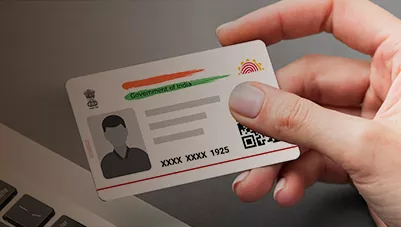
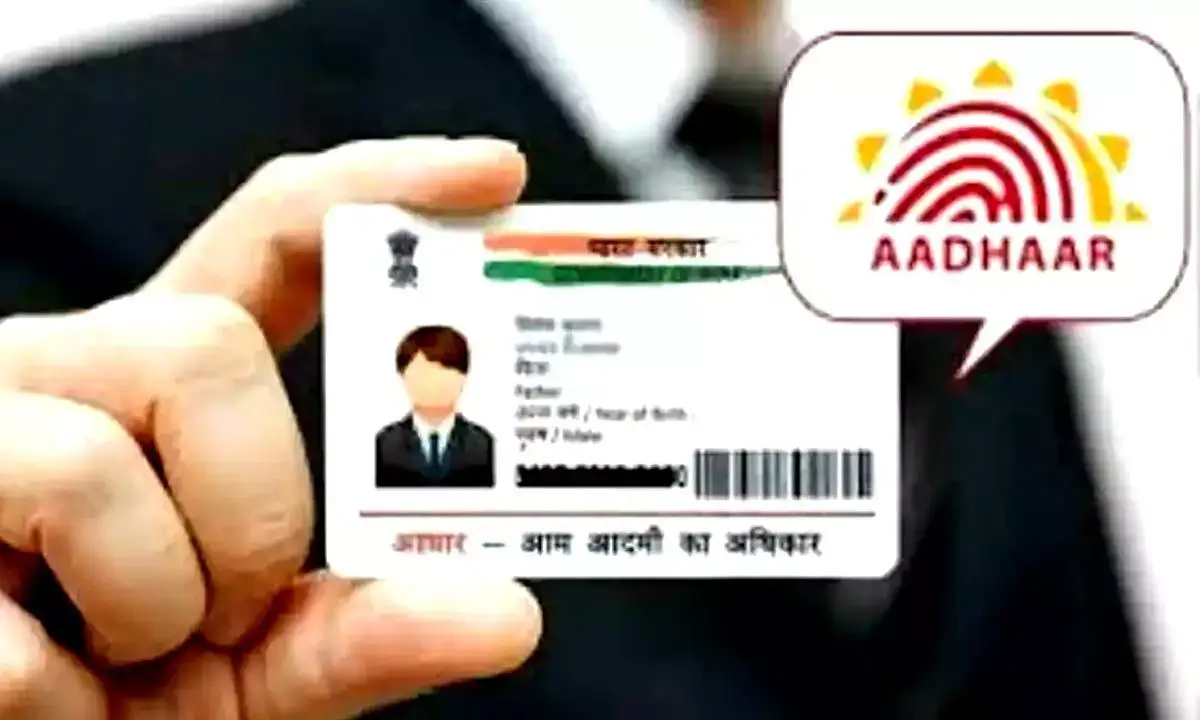
Every Aadhaar document contains sensitive personal information but does every workflow need to expose the full Aadhaar number? As businesses embrace digital onboarding and eKYC, protecting identity data is just as important as verifying it. Aadhaar masking software uses AI Aadhaar masking to automatically perform Aadhaar number masking, concealing the first eight digits while displaying only the last four. This helps organizations enhance Aadhaar privacy protection, support UIDAI compliant Aadhaar masking, and streamline secure document processing across high-volume workflows.
In this guide, you'll learn what Aadhaar masking software is, how AI Aadhaar masking works, its key benefits, essential features, industry use cases, best practices for Aadhaar privacy protection, and how to choose a UIDAI compliant Aadhaar masking solution for your business.
What is Aadhaar Masking Software?
Organizations across banking, NBFCs, insurance, healthcare, fintech, telecom, government, and enterprise sectors process large volumes of Aadhaar documents every day. Integrating UIDAI compliant Aadhaar masking into existing KYC and document management systems helps automate Aadhaar number masking, strengthen Aadhaar privacy protection, and reduce manual effort without changing existing workflows.
Is your KYC or document management system protecting Aadhaar data automatically? Integrating an Aadhaar Masking API can simplify compliance while securing sensitive identity information.
If you're new to enterprise Aadhaar masking or want a broader understanding of implementation strategies, AI-powered masking, security best practices, and compliance considerations, explore our The Complete Enterprise Guide to Aadhaar Masking: Implementation, Security, AI, and Compliance (2026).
What Is Aadhaar Masking API Integration?
An Aadhaar Masking API is a secure service that automatically detects an Aadhaar number within a document and masks the first eight digits while keeping only the last four digits visible, as recommended under UIDAI guidelines. The API can process scanned documents, PDFs, digital forms, mobile uploads, or images without requiring manual intervention.
When integrated with KYC platforms, onboarding applications, or document repositories, the API automatically scans incoming documents, identifies Aadhaar information, applies Aadhaar number masking, validates the output, and returns a protected version of the document for storage or further processing.
The integration allows organizations to continue using their existing software while adding automated privacy protection as part of their document workflow.
Why Should Organizations Integrate Aadhaar Masking APIs?
Customer onboarding has become increasingly digital, with documents arriving from multiple channels including mobile applications, websites, branch offices, relationship managers, and third-party agents. Manual masking introduces delays, inconsistent results, and compliance risks.
Customer onboarding has become increasingly digital, with documents arriving from multiple channels including mobile applications, websites, branch offices, relationship managers, and third-party agents. Manual masking introduces delays, inconsistent results, and compliance risks.
API-based integration enables organizations to automate Aadhaar number masking across large document volumes while significantly reducing manual processing time and operational costs. AI-powered detection improves document accuracy by consistently identifying Aadhaar numbers and applying UIDAI compliant Aadhaar masking without human intervention. Integration also strengthens Aadhaar privacy protection across enterprise workflows, maintains consistent compliance standards across multiple branches and business locations, and protects sensitive customer information before documents are stored, archived, or shared. For regulated industries, automation further minimizes the risk of accidental Aadhaar data exposure during internal reviews, audits, or customer service operations.
For regulated industries, automation also reduces the possibility of accidental exposure of Aadhaar information during internal reviews, audits, or customer service operations.
Manual Aadhaar masking can lead to inconsistent redaction, processing delays, and compliance risks. Learn more in our detailed guide, Why Manual Aadhaar Redaction Is No Longer Safe for Enterprise Document Processing, to understand why enterprises are moving to AI-powered automation.
Who Benefits from Aadhaar Masking API Integration?
Almost every organization that handles Aadhaar documents can benefit from automated masking. Common use cases include:
Banking and Financial Services
Banks and NBFCs integrate Aadhaar Masking APIs into digital onboarding, loan processing, account opening, re-KYC, and customer verification workflows to protect identity information throughout the customer lifecycle while meeting Aadhaar verification requirements.
Insurance Companies
Insurance providers process Aadhaar documents during policy issuance, claim verification, and customer onboarding. Automated masking ensures customer identity remains protected without affecting operational efficiency.
Healthcare Organizations
Hospitals, diagnostic laboratories, pharmacies, and healthcare networks increasingly rely on Aadhaar for patient registration and identity verification. Aadhaar masking healthcare solutions protect patient information while allowing authorized staff to verify identities securely.
Government Agencies
Government departments handling citizen services can automatically mask Aadhaar information before storing, archiving, or sharing documents across departments.
Enterprises
HR departments, corporate onboarding teams, and compliance functions can integrate masking into employee verification, vendor onboarding, and contractor management systems.
When Should Aadhaar Masking Be Applied?
The most effective approach is to mask Aadhaar information immediately after document capture and before long-term storage or document sharing.
The most effective approach is to apply Aadhaar masking immediately after document capture and before documents are stored, processed, or shared with downstream systems. This ensures sensitive identity information is protected throughout the document lifecycle.
Organizations commonly integrate Aadhaar masking during customer onboarding, digital KYC, employee onboarding, vendor verification, loan application processing, insurance policy issuance, healthcare registration, government citizen services, digital document archival, and enterprise document management workflows. Applying masking at these early stages minimizes privacy risks while preserving document usability for legitimate business processes.
Applying masking at the earliest stage minimizes privacy risks while maintaining document usability throughout downstream workflows.
Where Does Aadhaar Masking Fit Within Existing Systems?
One of the biggest advantages of API-based integration is that organizations do not need to replace existing platforms.
One of the biggest advantages of API-based integration is that organizations do not need to replace their existing technology stack. Instead, the Aadhaar Masking API functions as an additional security layer within the current document processing workflow.
The API can be integrated seamlessly with digital KYC platforms, customer onboarding systems, loan origination systems, insurance processing platforms, hospital management systems, Enterprise Content Management (ECM) platforms, Document Management Systems (DMS), Intelligent Document Processing (IDP) platforms, OCR solutions, workflow automation software, CRM and ERP applications, as well as cloud storage platforms. This approach allows organizations to enhance privacy protection without disrupting established operational processes.
The API becomes an additional security layer within the existing document processing pipeline rather than a standalone application.
How Does Aadhaar Masking API Integration Work?
Although implementation varies between organizations, the overall workflow follows a consistent sequence.
Step 1: Document Upload
The customer uploads an Aadhaar document through a web portal, mobile application, branch scanner, or enterprise system.
Step 2: OCR-Based Data Extraction
OCR technology extracts text from scanned documents, PDFs, or images to identify relevant identity information.
Step 3: Aadhaar Detection
The masking engine identifies Aadhaar numbers and validates the detected pattern using intelligent document analysis.
Step 4: Aadhaar Number Masking
The API automatically masks the first eight digits while preserving the final four digits, producing a UIDAI compliant Aadhaar masking output.
Step 5: Quality Validation
The processed document is verified to ensure masking has been correctly applied without affecting the remaining document content.
Step 6: Secure Document Storage
The masked document is returned to the organization's KYC platform or document management system for secure storage, retrieval, or further business processing.
Best Practices for Successful API Integration
Organizations planning to implement an Aadhaar Masking API should adopt best practices that ensure both security and operational efficiency. Masking should ideally be performed immediately after OCR-based text extraction so that sensitive information is protected before documents move through additional workflows. Documents should remain encrypted during both transmission and storage, while detailed audit logs should be maintained to support compliance and traceability.
It is equally important to validate masking accuracy before documents are archived or shared, ensuring that Aadhaar numbers are correctly protected without affecting other document content. Organizations should also ensure the API supports multiple document formats, including scanned images and PDFs, monitor API performance for high-volume processing environments, and verify compatibility with existing KYC and document management platforms. Periodic reviews of the integration help organizations stay aligned with evolving regulatory requirements while maintaining efficient and scalable document protection workflows.
Even with the right API, implementation mistakes can lead to compliance gaps, inaccurate masking, and operational inefficiencies. Read our guide, Top 10 Mistakes Organizations Make When Implementing Aadhaar Masking, to learn how to avoid common pitfalls and ensure a successful enterprise deployment.(7)
Conclusion
As organizations accelerate digital onboarding and document automation, protecting Aadhaar information has become a critical component of responsible data management. Integrating Aadhaar masking software with existing KYC platforms and document management systems enables enterprises to automate Aadhaar number masking, strengthen Aadhaar privacy protection, and support UIDAI compliant Aadhaar masking without disrupting established workflows.
Whether in banking, insurance, Aadhaar masking healthcare, government services, or enterprise operations, API-driven automation simplifies compliance, reduces manual effort, and ensures sensitive identity information remains protected throughout the document lifecycle. By embedding masking directly into existing systems, organizations can confidently meet Aadhaar verification requirements while delivering secure, efficient, and privacy-focused digital experiences.
Protect Aadhaar Data Without Changing Your Existing Systems
Integrate Pix Dynamics Aadhaar Masking API into your KYC platform, document management system, or digital onboarding workflow to automatically mask Aadhaar numbers, enhance privacy, and support UIDAI compliance. Our API seamlessly works with your existing applications, enabling fast deployment, secure document processing, and scalable automation for high-volume enterprise operations.
Request a Free Demo and see how Pix Dynamics can simplify Aadhaar masking across your workflows.


Top Posts
- What Is Aadhaar Masking API Integration?
- Why Should Organizations Integrate Aadhaar Masking APIs?
- When Should Aadhaar Masking Be Applied?
- Where Does Aadhaar Masking Fit Within Existing Systems?
- How Does Aadhaar Masking API Integration Work?
- Best Practices for Successful API Integration
- Conclusion