
How Aadhaar Masking Helps Meet DPDP Act Compliance Requirements

As digital onboarding and identity verification continue to grow, protecting Aadhaar information has become essential for every organization. Aadhaar masking software automatically hides sensitive Aadhaar details using AI and OCR, reducing data exposure and improving secure document handling. By adopting UIDAI compliant Aadhaar masking, businesses can enhance privacy, streamline document processing, and better support DPDP compliance across digital workflows.
Wondering how Aadhaar masking supports DPDP compliance? This guide explains how Aadhaar masking DPDP, Aadhaar OCR masking, and document privacy automation help organizations protect sensitive Aadhaar data, automate privacy workflows, and strengthen secure document processing.
What Is Aadhaar Masking and Why Does It Support DPDP Compliance?
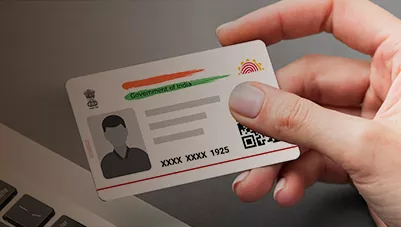
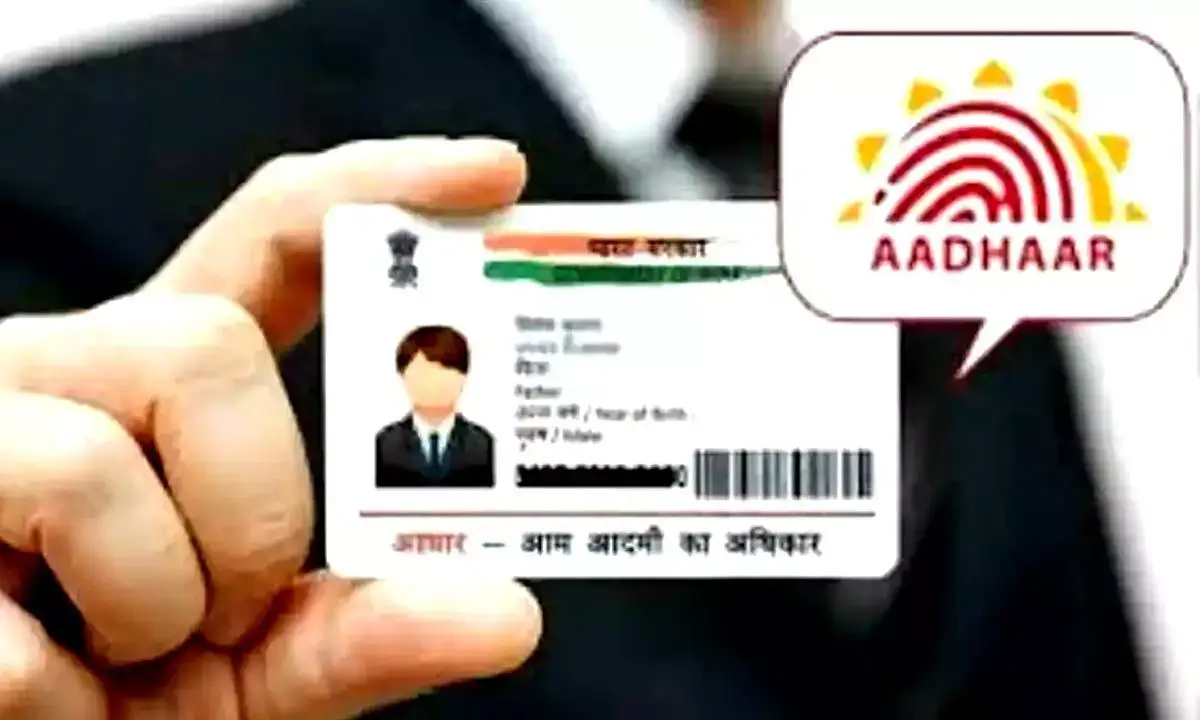
Aadhaar masking is the process of hiding the first eight digits of an Aadhaar number while displaying only the last four digits. This allows organizations to verify customer identity without unnecessarily exposing complete personal information.
Modern Aadhaar masking software automates this process using Artificial Intelligence and Optical Character Recognition (OCR).
A typical workflow includes:
- *Upload Aadhaar document
- *OCR detects Aadhaar number
- *Automatic Aadhaar number masking
- *Verification continues
- *Secure storage of masked document
This combination of Aadhaar OCR masking and automation significantly reduces unnecessary exposure of sensitive information.
If you're new to Aadhaar masking, read our Complete Guide to Aadhaar Masking Software to understand how AI-powered masking works and why it has become an essential part of secure digital document processing.
Why Is Aadhaar Masking Important for DPDP Compliance?
Organizations process thousands of Aadhaar documents every day during customer onboarding, employee verification, and service delivery. Without proper protection, these documents may expose more personal information than necessary.
Implementing Aadhaar masking DPDP practices helps organizations:
Reduce Sensitive Data Exposure
Masking ensures that only the required portion of the Aadhaar number remains visible.
Improve Privacy Protection
Customers gain greater confidence knowing their identity information is protected throughout digital workflows.
Support Secure Document Processing
Masked documents reduce the likelihood of accidental exposure during storage, sharing, and internal processing.
Standardize Privacy Practices
Automation ensures every Aadhaar document follows the same masking process across teams.
Enable Scalable Compliance
As document volumes increase, automated masking maintains consistent protection without increasing manual effort.
Who Should Implement Aadhaar Masking Software?
Organizations handling Aadhaar documents as part of their daily operations benefit significantly from automated masking.
Industries include:
Banking and NBFCs
Account opening, customer onboarding, and lending.
Fintech
Digital KYC, instant lending, and remote verification.
Insurance
Policy issuance and claims processing.
Healthcare
Patient registration and insurance verification.
Telecom
SIM activation and customer identity verification.
Government Agencies
Citizen service delivery and identity validation.
HR and Enterprise Organizations
Employee onboarding and document management.
For these industries, Aadhaar masking software improves document privacy while simplifying high-volume processing.
Where Should Aadhaar Number Masking Be Applied?
Organizations should mask Aadhaar information wherever documents move through digital systems.
Common workflows include:
- *Customer onboarding portals
- *KYC verification systems
- *Loan processing
- *Insurance applications
- *Healthcare registration
- *HR onboarding
- *CRM platforms
- *Shared document repositories
- *Email document exchanges
- *Digital document archives
Applying Aadhaar number masking at the earliest stage minimizes unnecessary exposure throughout the document lifecycle.
How Does Aadhaar OCR Masking Work?
Modern AI-powered solutions automate the entire masking process within seconds.
Step 1: Upload Aadhaar Document
The customer uploads an Aadhaar image or PDF.
Step 2: OCR Detects Aadhaar Information
The AI engine identifies whether the uploaded document contains an Aadhaar card.
Step 3: Extract Aadhaar Number
OCR accurately detects the Aadhaar number from the document.
Step 4: Automatic Aadhaar Number Masking
The software masks the first eight digits while keeping the final four digits visible.
Step 5: Return the Protected Document
The masked document is securely forwarded for verification, storage, or additional processing.
This automated workflow eliminates manual editing while improving consistency and efficiency.
Interested in learning how automation compares with traditional methods? Read our guide on How Aadhaar Masking Improves Customer Trust During Digital Onboarding to understand the advantages of AI-powered document protection.
Best Practices for UIDAI Compliant Aadhaar Masking
Organizations can strengthen document privacy by following these best practices:
- *Use UIDAI compliant Aadhaar masking techniques.
- *Implement AI-powered Aadhaar OCR masking.
- *Mask documents immediately after upload.
- *Limit access to original Aadhaar documents.
- *Encrypt documents during storage and transmission.
- *Maintain audit logs for document processing.
- *Automate privacy workflows using document privacy automation.
- *Regularly monitor masking accuracy.
These practices improve both operational efficiency and long-term document security.
Why Automated Aadhaar Masking Is Essential for Modern Businesses
Manual document handling becomes increasingly difficult as businesses scale digital operations.
AI-powered Aadhaar masking software helps organizations:
- *Automate Aadhaar number masking
- *Improve document processing speed
- *Reduce manual intervention
- *Standardize privacy protection
- *Minimize processing errors
- *Improve customer trust
- *Scale document handling efficiently
Automation enables organizations to protect sensitive information without slowing business operations.
Conclusion
Protecting personal information is an essential part of modern digital business operations. Implementing Aadhaar masking DPDP practices allows organizations to reduce unnecessary exposure of Aadhaar information while improving document security and operational efficiency.
By combining Aadhaar OCR masking, document privacy automation, and UIDAI compliant Aadhaar masking, businesses can create secure, scalable document workflows that protect customer information throughout every stage of processing.
As digital onboarding continues to expand, automated Aadhaar masking has become an essential component of responsible document management.
Protect Sensitive Aadhaar Data with AI-Powered Aadhaar Masking
Secure customer information while improving document processing with intelligent Aadhaar masking software.
- *Automate Aadhaar OCR masking
- *Protect sensitive Aadhaar information
- *Improve document privacy automation
- *Support UIDAI compliant Aadhaar masking
- *Scale secure digital onboarding with confidence
Book a Free Demo and discover how AI-powered Aadhaar masking can simplify secure document processing for your organization.


Top Posts
- What Is Aadhaar Masking and Why Does It Support DPDP Compliance?
- Why Is Aadhaar Masking Important for DPDP Compliance?
- Who Should Implement Aadhaar Masking Software?
- Where Should Aadhaar Number Masking Be Applied?
- How Does Aadhaar OCR Masking Work?
- Best Practices for UIDAI Compliant Aadhaar Masking
- Why Automated Aadhaar Masking Is Essential for Modern Businesses
- Conclusion