
Aadhaar Masking API: How to Integrate Automated Masking into Your Applications

Businesses process Aadhaar documents every day for digital onboarding and identity verification, making data protection more important than ever. An Aadhaar masking solution automatically secures sensitive Aadhaar information, while an Aadhaar masking API enables seamless integration into your applications for faster, automated, and compliant document processing. Still relying on manual Aadhaar masking? Discover how an Aadhaar Masking API automates document privacy and learn what it is, why it matters, where it fits into your workflow, who should use it, when masking should happen, and how to integrate it successfully.
What is an Aadhaar Masking API?
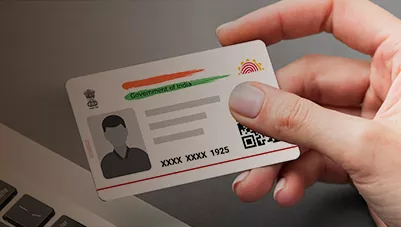
An Aadhaar masking API is a REST-based service that automatically detects an Aadhaar card in an uploaded image or PDF, identifies the Aadhaar number using AI-powered OCR, and masks the first eight digits while keeping only the last four digits visible.
For example:
Before Masking: 1234 5678 9012
After Masking: XXXX XXXX 9012
Unlike manual editing, an API performs Aadhaar number masking within seconds and eliminates human intervention.
Modern Aadhaar masking software can process:
- *Aadhaar card images
- *Scanned PDFs
- *Mobile captures
- *Multi-page documents
- *Bulk document uploads
- *Digitally generated Aadhaar copies
Most enterprise APIs also preserve document quality while masking only the required fields.
If you're new to Aadhaar masking and want to understand its importance, implementation options, and business benefits, explore our Complete Guide to Aadhaar Masking Software for a comprehensive overview before integrating an API.
Why Should Businesses Use an Aadhaar Masking API?
Organizations that rely on manual document processing often face several challenges:
- *Human errors during masking
- *Slow document turnaround
- *Increased operational costs
- *Compliance risks
- *Inconsistent masking quality
An automated Aadhaar masking solution solves these issues through AI-driven document processing.
Key Benefits
Faster Processing
Documents can be masked within seconds without manual intervention.
Better Privacy Protection
Sensitive Aadhaar information is automatically protected before storage or sharing.
Improved Compliance
Organizations can better align with privacy regulations and internal data governance policies by ensuring only masked Aadhaar documents are retained where required.
Reduced Operational Costs
Automation significantly reduces repetitive manual work.
Easy Integration
Developers can integrate the API into existing workflows without changing the overall application architecture.
Who Needs an Aadhaar Masking Solution?
Almost every organization handling Aadhaar documents can benefit from an automated solution.
Common industries include:
Banking
Banks process Aadhaar documents during:
- *Savings account opening
- *Current account creation
- *Loan processing
- *Customer verification
NBFCs
Non-banking financial companies require Aadhaar verification for:
- *Personal loans
- *Business loans
- *Gold loans
- *Vehicle financing
Fintech Companies
Digital lending platforms rely heavily on Aadhaar documents during:
- *Digital onboarding
- *Instant loan approval
- *Identity verification
- *Customer authentication
Insurance Companies
Insurance providers collect Aadhaar documents for:
- *Policy issuance
- *Customer onboarding
- *Claim verification
Telecom Providers
SIM activation and customer verification often involve Aadhaar-based identity validation.
HR and Employee Verification Platforms
Organizations collecting employee identity documents can automatically secure Aadhaar information before storing records.
Where Can an Aadhaar Masking API Be Integrated?
One of the biggest advantages of an API is flexibility.
An Aadhaar masking API can be integrated into almost any document workflow.
Common integration points include:
Customer Onboarding Portals
Mask Aadhaar documents immediately after upload.
Mobile Applications
Protect Aadhaar data uploaded through Android and iOS apps.
Web Applications
Automatically process customer-uploaded documents.
Loan Origination Systems
Mask Aadhaar documents before verification begins.
Document Management Systems
Store only masked Aadhaar copies in repositories.
CRM Platforms
Secure customer documents before agents access them.
KYC Platforms
Integrate masking before document verification and approval.
Enterprise Workflow Automation
Automatically trigger masking during document ingestion.
How Does an Aadhaar Masking API Work?
Most enterprise-grade APIs follow a simple workflow.
Step 1 Upload Document
The application sends an Aadhaar image or PDF to the API.
Supported formats typically include:
- *JPG
- *PNG
- *TIFF
Step 3 OCR Extracts Data
AI-powered OCR extracts:
- *Aadhaar number
- *Name
- *Address
- *Date of Birth
- *Other relevant fields
Step 4 Aadhaar Number Masking
The API automatically masks the first eight digits while retaining the last four digits.
Step 5 Return the Masked Document
The API returns:
- *Masked PDF
- *Masked image
- *OCR metadata
- *Processing status
The entire process typically completes in just a few seconds.
Best Practices for Aadhaar Masking API Integration
To maximize performance and security, organizations should follow these implementation best practices:
- *Encrypt documents during transmission using HTTPS.
- *Process Aadhaar files in secure environments.
- *Avoid storing unmasked Aadhaar documents unless absolutely necessary.
- *Validate uploaded document formats before processing.
- *Implement authentication and authorization for API access.
- *Enable audit logs for compliance tracking.
- *Integrate automated error handling and retry mechanisms.
- *Monitor API performance and response times regularly.
These practices help build a secure, scalable, and compliant document processing workflow.
Even with automation, improper implementation can create compliance challenges. Learn about the common Aadhaar masking mistakes businesses make and how to avoid potential compliance risks in your document processing workflows.
Features to Look for in an Aadhaar Masking Solution
Not all solutions offer the same capabilities. Before selecting an Aadhaar masking solution, evaluate whether it provides:
- *AI-powered OCR for accurate document detection
- *Automatic Aadhaar number masking
- *PDF and image support
- *Bulk document processing
- *High-speed API responses
- *SDK and REST API integration
- *Secure cloud or on-premise deployment
- *Enterprise-grade encryption
- *Audit logs and monitoring
- *Scalable processing for high document volumes
Choosing a feature-rich solution ensures long-term scalability and seamless integration with evolving business workflows.
Conclusion
As organizations continue to digitize customer onboarding and identity verification, protecting sensitive identity information has become a business necessity. An Aadhaar masking API enables enterprises to automate Aadhaar number masking, reduce manual effort, improve operational efficiency, and strengthen privacy across every document workflow.
Whether integrated into banking platforms, fintech applications, insurance systems, telecom onboarding, or enterprise document management, a modern Aadhaar masking solution helps businesses process Aadhaar documents securely and at scale. By adopting AI-powered Aadhaar masking software, organizations can streamline compliance, enhance customer trust, and build secure digital experiences without compromising efficiency.


Top Posts
- What Is Aadhaar Masking API?
- Why Should Businesses Use an Aadhaar Masking API?
- Key Benefits
- Who Needs an Aadhaar Masking Solution?
- Where Can an Aadhaar Masking API Be Integrated?
- How Does an Aadhaar Masking API Work?
- Best Practices for Aadhaar Masking API Integration
- Features to Look for in an Aadhaar Masking Solution
- Conclusion