
Aadhaar Masking for Insurance Companies: Protecting Customer Identity During Claims & Onboarding
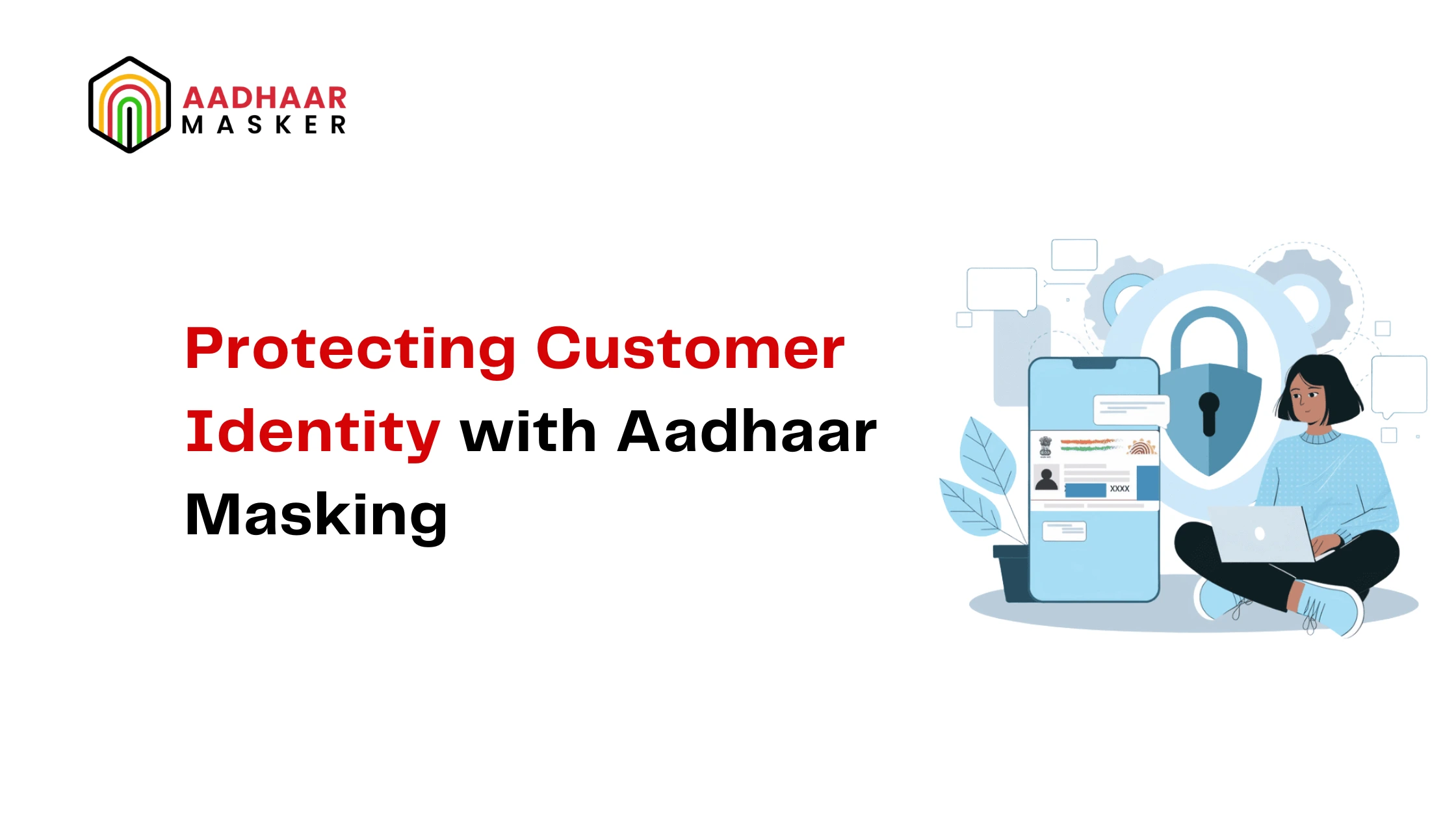
Insurance companies collect Aadhaar documents during customer onboarding, policy issuance, and claims processing, making the protection of sensitive identity information essential. An Aadhaar masking solution automatically hides sensitive Aadhaar details before documents are stored or shared, while an Aadhaar masking API enables insurers to automate this process, improve operational efficiency, and strengthen customer data privacy across insurance workflows.
Is your insurance company protecting Aadhaar data at every stage of the customer journey? In this guide, you'll learn what Aadhaar masking is, why it matters for insurance companies, who benefits from it, where it should be implemented, when to automate masking, and how an Aadhaar Masking API helps secure customer identity during policy onboarding and claims processing.
What is Aadhaar Masking for Insurance Companies?
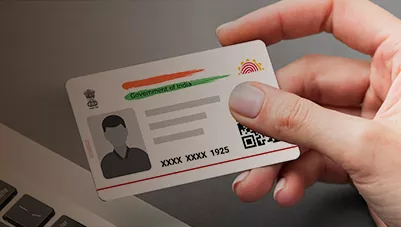
Aadhaar masking is the process of automatically hiding the first eight digits of an Aadhaar number while displaying only the last four digits. Instead of manually redacting documents, insurers can use Aadhaar masking software or an Aadhaar masking API to automate the process.
For example:
Before Masking: 1234 5678 9012
After Masking: XXXX XXXX 9012
Modern AI-powered solutions can accurately detect Aadhaar documents in PDFs, scanned copies, and mobile images while preserving document quality.
If you're looking to understand Aadhaar masking beyond the insurance industry, explore our Complete Guide to Aadhaar Masking Software to learn how automated masking improves document security, privacy, and compliance across different business sectors.
Why Do Insurance Companies Need an Aadhaar Masking Solution?
Insurance providers process thousands of identity documents every day during customer onboarding, policy servicing, and claims management. Without automated protection, exposing complete Aadhaar numbers can increase privacy risks and create operational challenges.
An Aadhaar masking solution helps insurance companies:
- Protect customer identity throughout the policy lifecycle.
- Reduce the risk of unauthorized access to Aadhaar information.
- Improve document handling efficiency.
- Eliminate manual masking errors.
- Support privacy-focused document management.
- Process high document volumes with greater consistency.
Automating Aadhaar number masking also allows claims teams and underwriting departments to access only the information they need.
While manual redaction may seem sufficient, it often leads to errors, delays, and privacy risks. Learn why manual Aadhaar redaction is risky compared to AI-based masking and how automation helps organizations process documents more securely and efficiently.
Who Benefits from Aadhaar Masking in the Insurance Industry?
An automated Aadhaar masking solution benefits multiple stakeholders.
Policyholders
Customers gain greater confidence knowing their personal identity information is protected.
Claims Teams
Claims officers can review documents without exposing unnecessary Aadhaar details.
Underwriting Teams
Secure document processing enables faster policy assessments while protecting customer data.
Customer Support Teams
Support representatives can securely access customer documents during service requests.
Compliance and Risk Teams
Automated masking reduces manual handling of sensitive identity information and supports internal governance policies.
Where Should Aadhaar Masking Be Implemented?
Insurance companies should integrate Aadhaar masking software wherever Aadhaar documents are collected or processed.
Common implementation areas include:
Digital Policy Onboarding
Mask Aadhaar documents immediately after customers upload them.
Insurance Claims Processing
Secure identity documents before claim verification begins.
Customer Self-Service Portals
Automatically protect Aadhaar documents submitted online.
Mobile Insurance Applications
Mask Aadhaar details uploaded through mobile devices.
Document Management Systems
Store only masked Aadhaar copies for operational use.
Agent Portals
Allow insurance agents to access masked documents instead of full Aadhaar copies.
CRM Platforms
Protect customer identity information across service workflows.
How Does an Aadhaar Masking API Work for Insurance Companies?
An Aadhaar masking API can be integrated into insurance platforms with minimal development effort.
Step 1: Customer Uploads a Document
The customer uploads an Aadhaar card through a web portal, mobile app, or agent-assisted process.
Step 2: AI Detects the Aadhaar Document
The system identifies whether the uploaded file contains an Aadhaar card.
Step 3: OCR Extracts Relevant Information
AI-powered OCR reads the Aadhaar number and other required details.
Step 4: Automatic Aadhaar Number Masking
The first eight digits are masked while retaining the last four digits for reference.
Step 5: Return the Masked Document
The API sends back a securely masked copy that can be stored or forwarded for further processing.
The entire workflow typically completes in just a few seconds.
Best Practices for Insurance Companies
To maximize security and operational efficiency:
- Automate Aadhaar masking immediately after upload.
- Encrypt documents during transmission and storage.
- Restrict access to original identity documents.
- Maintain audit logs for document processing.
- Validate uploaded document formats before processing.
- Monitor API performance regularly.
- Process high document volumes using scalable infrastructure.
Features to Look for in an Aadhaar Masking Solution
When selecting an Aadhaar masking solution, insurance companies should look for:
- AI-powered OCR for accurate document detection.
- Automatic Aadhaar number masking.
- REST-based Aadhaar masking API.
- PDF, image, and scanned document support.
- High-speed document processing.
- Bulk document handling.
- Cloud and on-premise deployment options.
- Enterprise-grade encryption.
- API authentication and access controls.
- Easy integration with insurance platforms and CRMs.
Why AI-Powered Aadhaar Masking Matters
Insurance organizations are increasingly digitizing customer onboarding and claims processing. As document volumes grow, manual redaction becomes inefficient and prone to errors.
AI-powered Aadhaar masking software enables insurers to automate identity protection, reduce operational workloads, and process documents securely at scale. By integrating an Aadhaar masking API, organizations can strengthen customer trust while improving the speed and efficiency of policy issuance and claims management.
Conclusion
Customer trust is one of the insurance industry's greatest assets, and protecting sensitive identity information is a critical part of maintaining that trust. An AI-powered Aadhaar masking solution helps insurance companies automate Aadhaar number masking, safeguard customer identity, and streamline document processing across onboarding, policy servicing, and claims management.
By integrating an Aadhaar masking API into existing insurance platforms, organizations can improve operational efficiency, enhance document security, and create a more secure digital experience for every policyholder.


Top Posts
- What is Aadhaar Masking for Insurance Companies?
- Why Do Insurance Companies Need an Aadhaar Masking Solution?
- Who Benefits from Aadhaar Masking in the Insurance Industry?
- Where Should Aadhaar Masking Be Implemented?
- How Does an Aadhaar Masking API Work for Insurance Companies?
- Best Practices for Insurance Companies
- Features to Look for in an Aadhaar Masking Solution
- Why AI-Powered Aadhaar Masking Matters
- Conclusion